


Rats are cautious, nocturnal animals that can live on your property for weeks before you see one. By the time a rat is spotted in daylight, the infestation is usually well established with a breeding colony hidden nearby. Rat droppings and gnaw marks are often confused with those left by mice or even squirrels, so accurate identification is essential.
This guide covers every reliable sign that rats are present — from droppings and gnaw marks to burrows and sounds — so you can identify the problem early and take action before it escalates.
Published:
Rat Droppings — The Most Reliable Sign
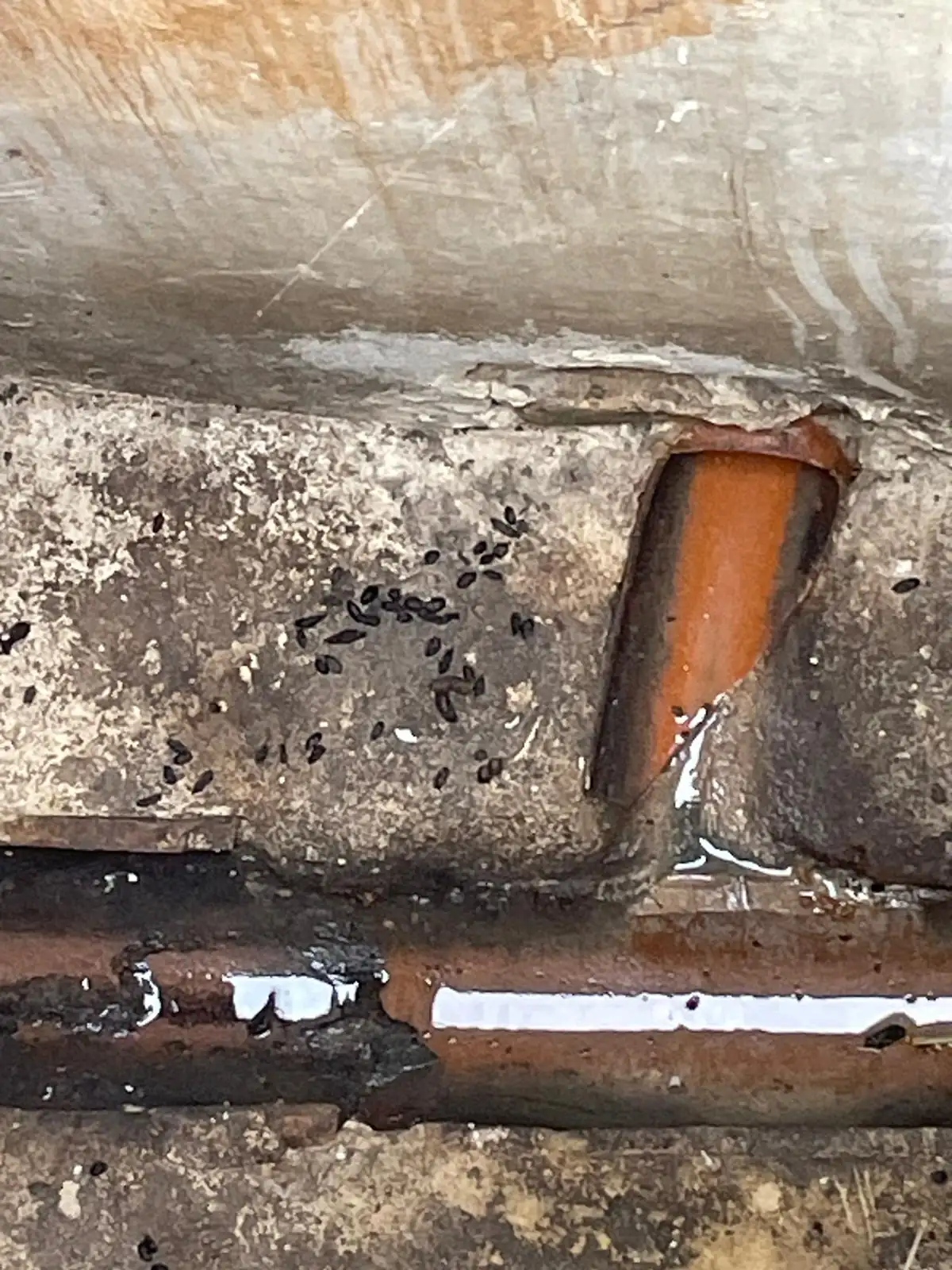
Rat droppings are the most common first indicator of activity. Brown rat droppings are dark brown, 10 to 20mm long, and capsule-shaped with blunt, rounded ends — roughly the size and shape of a large olive stone. A single rat produces around 40 droppings per day, typically deposited in clusters near harbourage areas.
Fresh droppings are dark, moist, and soft. Older droppings dry out, turn grey, and crumble when pressed. Finding both fresh and old droppings together confirms an ongoing, active infestation. For a detailed identification guide including how to distinguish rat droppings from mouse droppings, see our rat droppings guide.
Check along fence lines, behind sheds, under decking, around compost bins, in loft spaces, behind kitchen appliances, and in garages. Rats follow established runs, so droppings concentrate along their regular travel routes.
Gnaw Marks and Damage
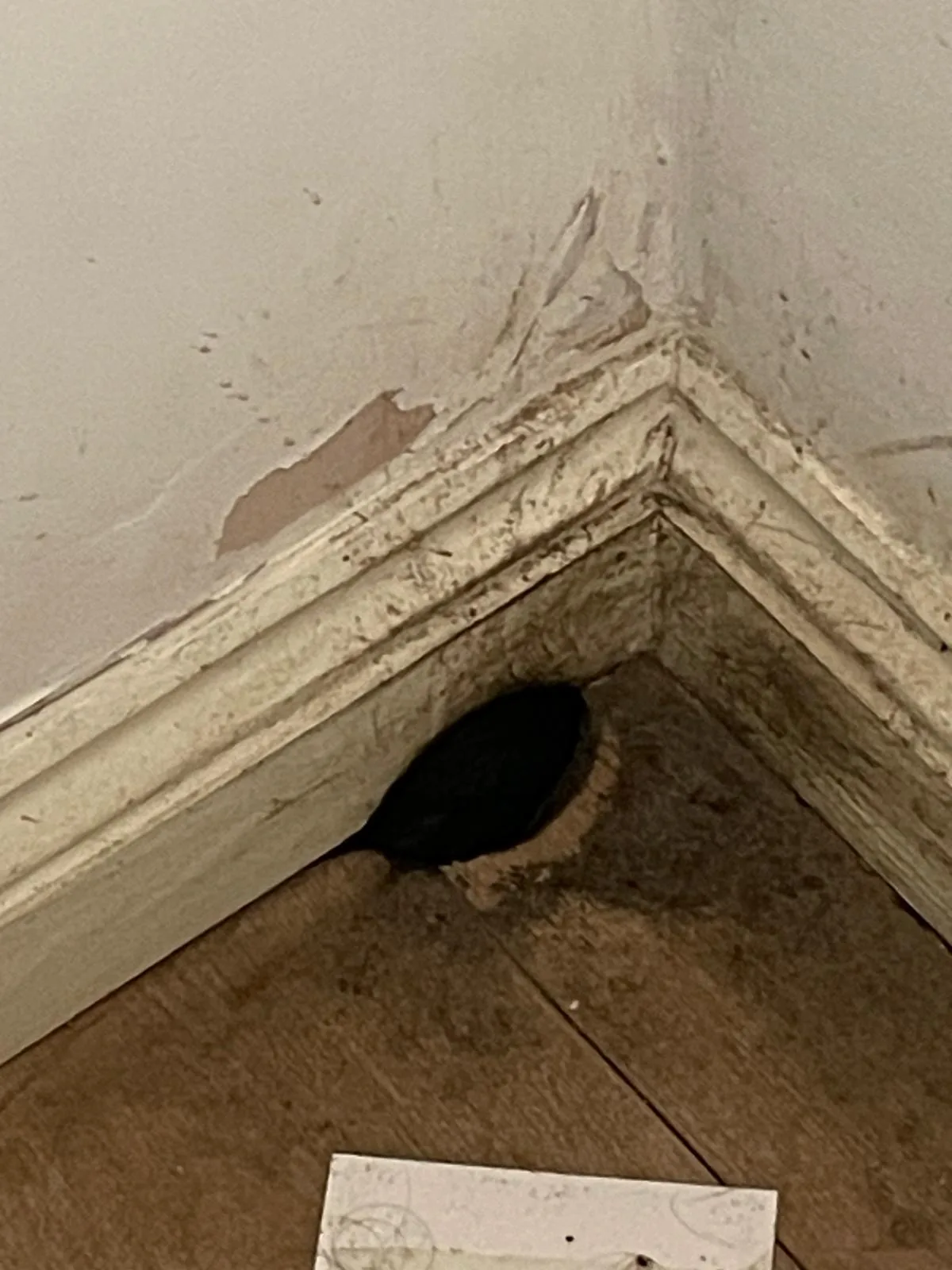
Rats must gnaw constantly because their incisor teeth grow up to 12cm per year. They gnaw through wood, plastic, lead, aluminium, and even soft concrete. Fresh gnaw marks are light-coloured; older marks darken over time.
Look for gnaw damage on door frames, skirting boards, shed walls, wheelie bins, compost bins, and around pipe penetrations through walls. In the loft, check along joist edges and around water tank pipes. Rat gnaw marks are rougher and wider than mouse marks — typically 3 to 4mm wide with visible tooth grooves.
Electrical cable damage is a serious fire risk. Rats chew through wiring insulation inside walls and lofts, exposing live conductors. If you find shredded cable insulation or chewed plastic conduit, treat it as urgent — both for pest control and electrical safety.
Burrows and Nesting
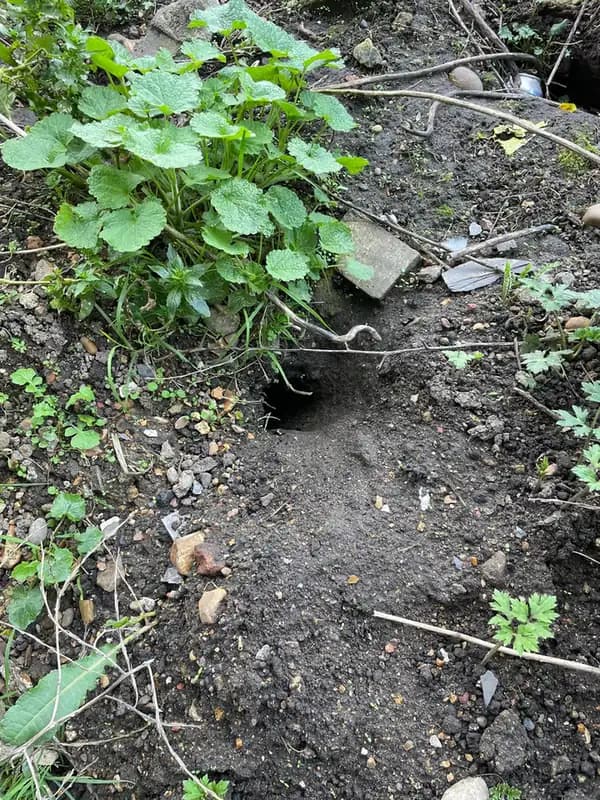
Brown rats are burrowers. Their burrows are typically found along the base of walls, under sheds and decking, beside foundations, in compost heaps, and along fence lines. Burrow entrance holes are 6 to 9cm in diameter — noticeably larger than mouse holes — and often have a fan of excavated soil in front of them.
Active burrows have smooth, well-worn entrance holes, free of cobwebs and debris. If the entrance is blocked by leaves or cobwebs, the burrow is likely abandoned. Rats maintain multiple entrance and exit holes for their burrow systems, so finding one hole usually means there are others nearby.
Inside buildings, rats nest in loft insulation, behind wall panelling, under bath panels, in cavity walls, and inside stored goods in garages and sheds. Nesting material includes shredded paper, fabric, insulation, and plant matter.
Scratching and Grinding Sounds
Rats are heavier than mice and produce distinctly different sounds. You may hear heavy scratching, thumping, scurrying, and a characteristic grinding sound (called bruxing) as they grind their teeth together. Sounds are most noticeable at night when the house is quiet.
Sounds from the loft indicate rats are nesting in or travelling through the roof space. Sounds within walls suggest they are using cavity walls as highways. Scratching beneath the floor often means they are travelling along the underside of floorboards or within the sub-floor void.
The location and intensity of sounds helps a pest controller identify where rats are entering and nesting. If sounds are concentrated in one area, the nest is likely close by.
Need professional help with rat control? BuzzKill Pest Control offers fast, effective treatment with no call-out charge.
Grease Marks and Smear Trails
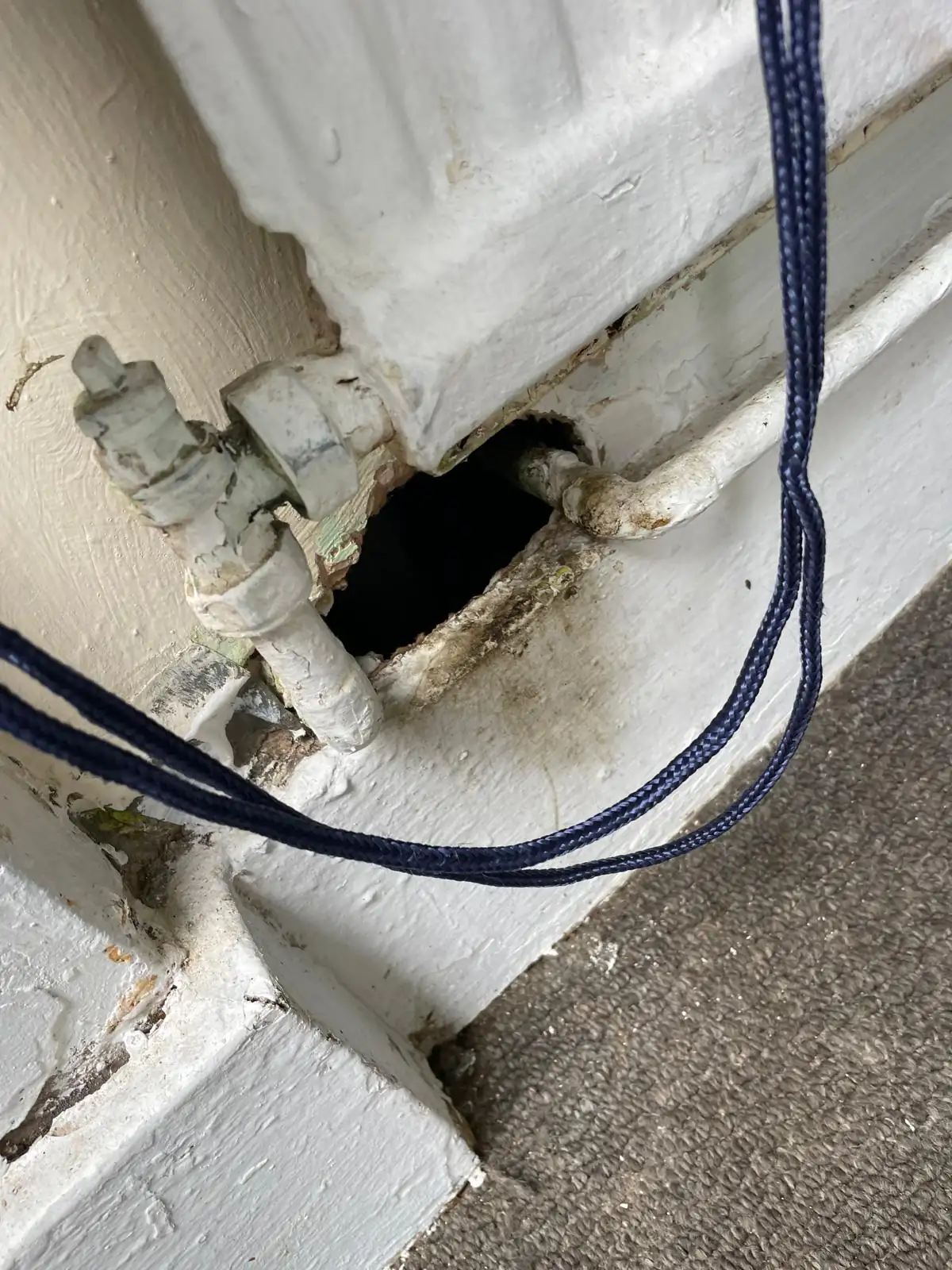
Rats have oily fur that leaves dark, greasy smear marks along surfaces they travel across repeatedly. These marks build up along walls, around holes, along pipe runs, and on roof timbers. Because rats follow the same routes daily, smear marks become increasingly dark and obvious over time.
Smear marks are particularly visible around entry points — look for dark staining around holes in walls, gaps around pipes, and where rats squeeze under doors or through broken air bricks. The heavier the smear, the more frequently that route is used.
On dusty surfaces like loft boards, you may also see footprints and tail drag marks. Rat footprints show four toes on the front feet and five on the rear, with a continuous tail drag mark between the tracks.
Rat Runs and Tracks
Outdoors, rats create well-worn pathways — known as rat runs — through grass, along fence bases, and between their burrow and food sources. These paths appear as flattened trails through vegetation, approximately 5 to 10cm wide, often running parallel to walls and fences.
In gardens, rat runs are most visible along the base of fences, between the shed and the compost bin, and alongside walls leading to drain covers. Indoors, equivalent runs develop along skirting boards and behind appliances where droppings and grease marks concentrate.
Identifying rat runs tells you exactly where to position bait stations and traps for maximum effectiveness. Placing treatment directly on established runs dramatically increases uptake and reduces the time to eradication.
What to Do If You Find Signs of Rats

Rats breed quickly and cause serious damage, so act immediately. Remove food sources — secure bins, stop bird feeding, clear fallen fruit, and store pet food in sealed metal containers. Do not leave black bags outside overnight.
Do not attempt to block burrow holes before treatment is in place — this can force rats into your home. Instead, note the locations of burrows, droppings, and damage to share with your pest controller during the initial survey.
Professional treatment is strongly recommended for rat infestations. Rats are cautious and neophobic (fearful of new objects), making them much harder to trap than mice. Our how to get rid of rats guide explains the full treatment process, and our rat control service page covers pricing.
Frequently Asked Questions
What is the difference between rat and mouse droppings?
Rat droppings are 10 to 20mm long with blunt, rounded ends. Mouse droppings are much smaller — 3 to 8mm — with pointed ends. If the droppings you have found are larger than 10mm, you have rats.
Can rats get into my house through the toilet?
Yes, though it is uncommon. Rats are excellent swimmers and can navigate sewer pipes. If your drainage has defects — cracks, displaced joints, or missing interceptor traps — rats can travel from the sewer system into your property via the toilet or drain pipes.
Do rats come out during the day?
Rats are primarily nocturnal, but daytime sightings do occur. Seeing a rat during daylight usually indicates a large, established colony where competition for food forces some rats to forage outside their normal hours.
How many rats are there if I see one?
There is no fixed ratio, but seeing one rat typically indicates several more nearby. Rats live in colonies, and the one you see is likely one of a group. A professional survey will assess the scale of the infestation from droppings, gnaw marks, and burrow activity.
Can rats climb walls?
Yes. Brown rats can climb rough vertical surfaces, scale drainpipes, and jump up to 1 metre. They commonly access lofts via climbing up cavity walls, drainpipes, and overhanging tree branches.
Professional Rat Control Service
Learn more about our rat control service, pricing, treatment methods, and customer reviews.
View Rat Control Service