
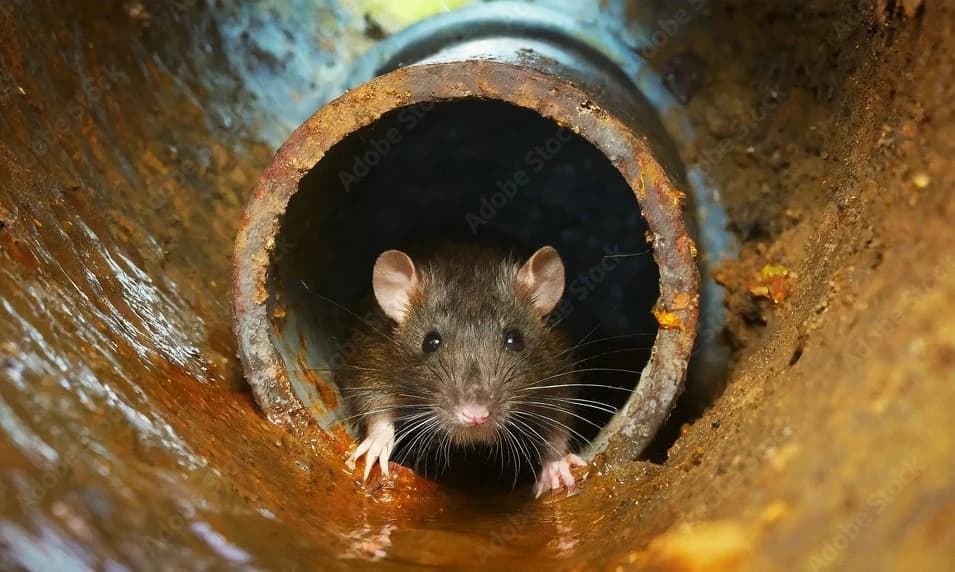
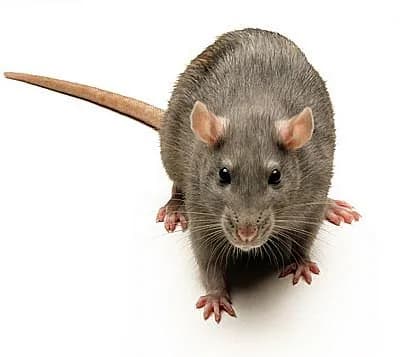
Rat droppings are usually the first evidence that rats have moved onto your property. Each rat produces around 40 droppings per day, deposited in clusters near nesting and feeding areas. Identifying droppings correctly tells you which rodent you are dealing with and how serious the problem is.
This guide explains exactly what rat droppings look like, how to distinguish them from mouse and other pest droppings, the health risks they carry, and the safest way to clean them up.
Published:
What Do Rat Droppings Look Like?
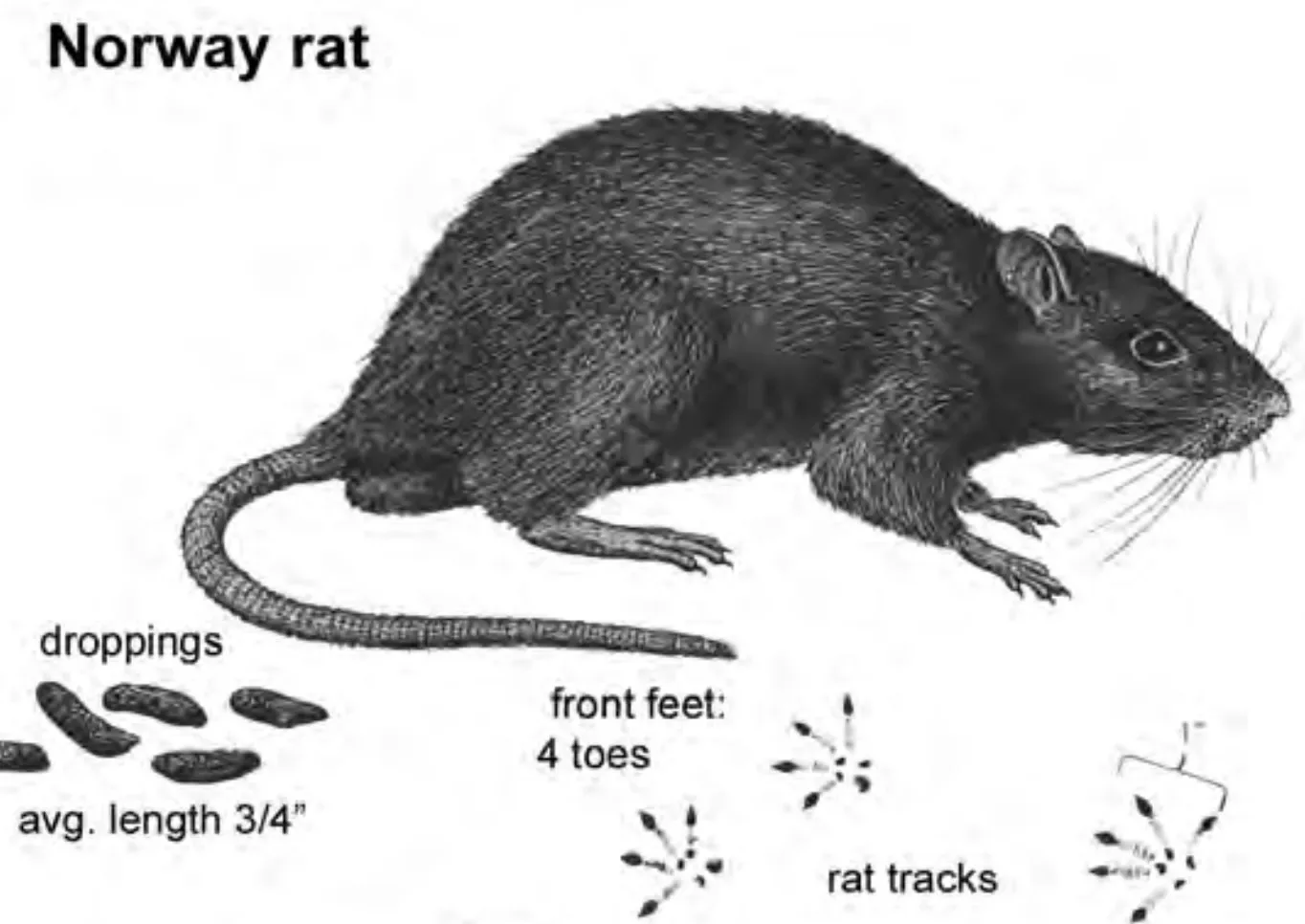
Brown rat droppings are dark brown to black, 10 to 20mm long, and capsule-shaped with blunt, rounded ends — roughly the size and shape of a large olive stone. They are considerably larger than mouse droppings, which are only 3 to 8mm with pointed ends.
Fresh rat droppings are dark, moist, and soft — they will compress if pressed with a stick. Older droppings dry out over several days, turning lighter grey and becoming hard and crumbly. The presence of both fresh and old droppings in the same location confirms an active, ongoing infestation.
Unlike mice, which scatter droppings widely along their travel routes, rats tend to deposit droppings in concentrated clusters — often described as latrine areas — near their nesting site, feeding areas, and along established runs. Finding a large cluster of droppings indicates a nest or regular feeding point very close by.
Rat Droppings vs Mouse Droppings
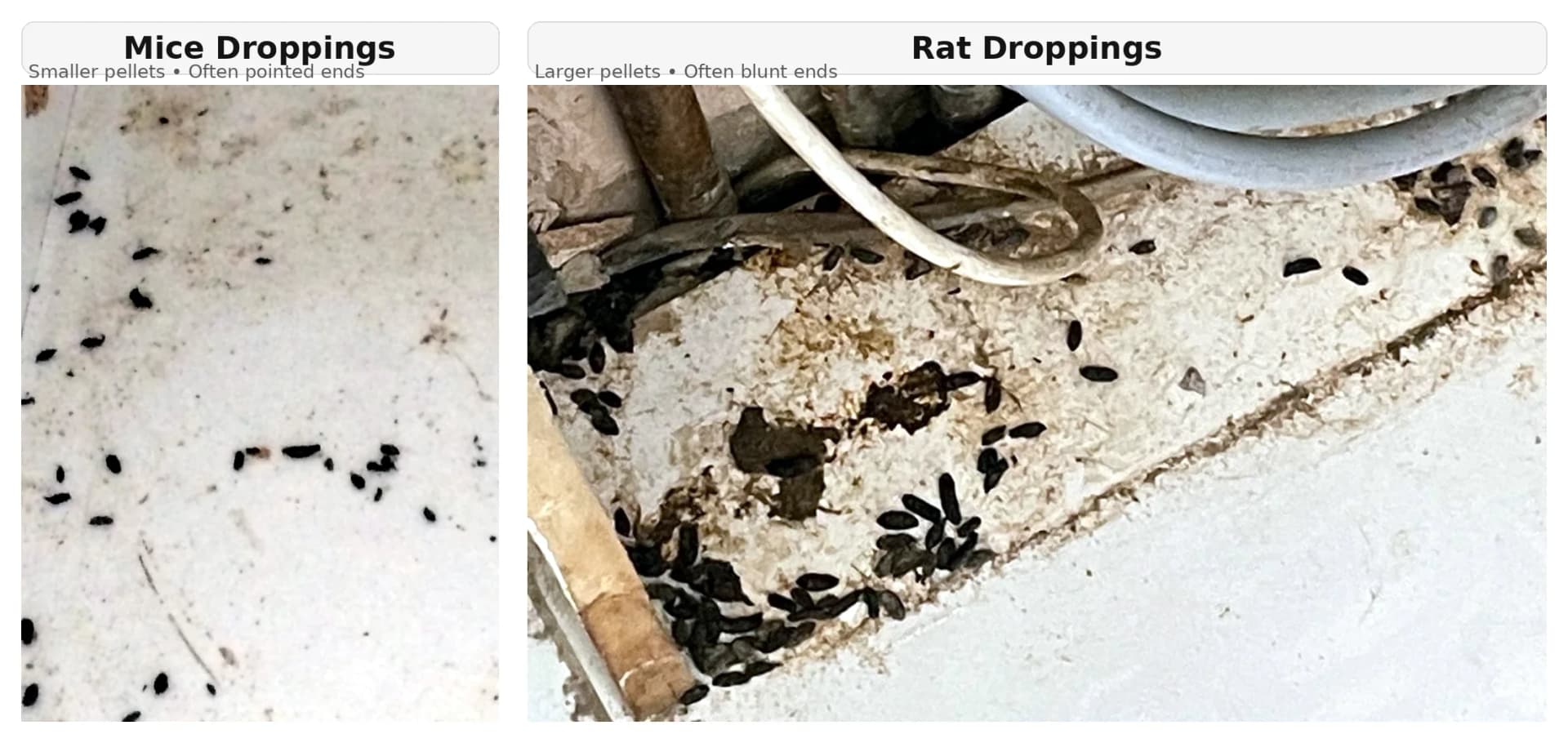
The most common identification confusion is between rat and mouse droppings. The key differences are size and shape: rat droppings are 10 to 20mm long with blunt, rounded ends; mouse droppings are 3 to 8mm long with pointed ends. If the droppings are larger than a grain of rice, you have rats.
Distribution pattern also differs. Mouse droppings are scattered widely along travel routes — you may find them in many different locations. Rat droppings are concentrated in clusters near harbourage and feeding areas, with fewer droppings spread along their runs.
If you find both small and large droppings, you may have both species — though this is uncommon, as rats are territorial and typically drive mice away. More likely, you are seeing droppings from juvenile and adult rats of the same colony.
Where to Find Rat Droppings
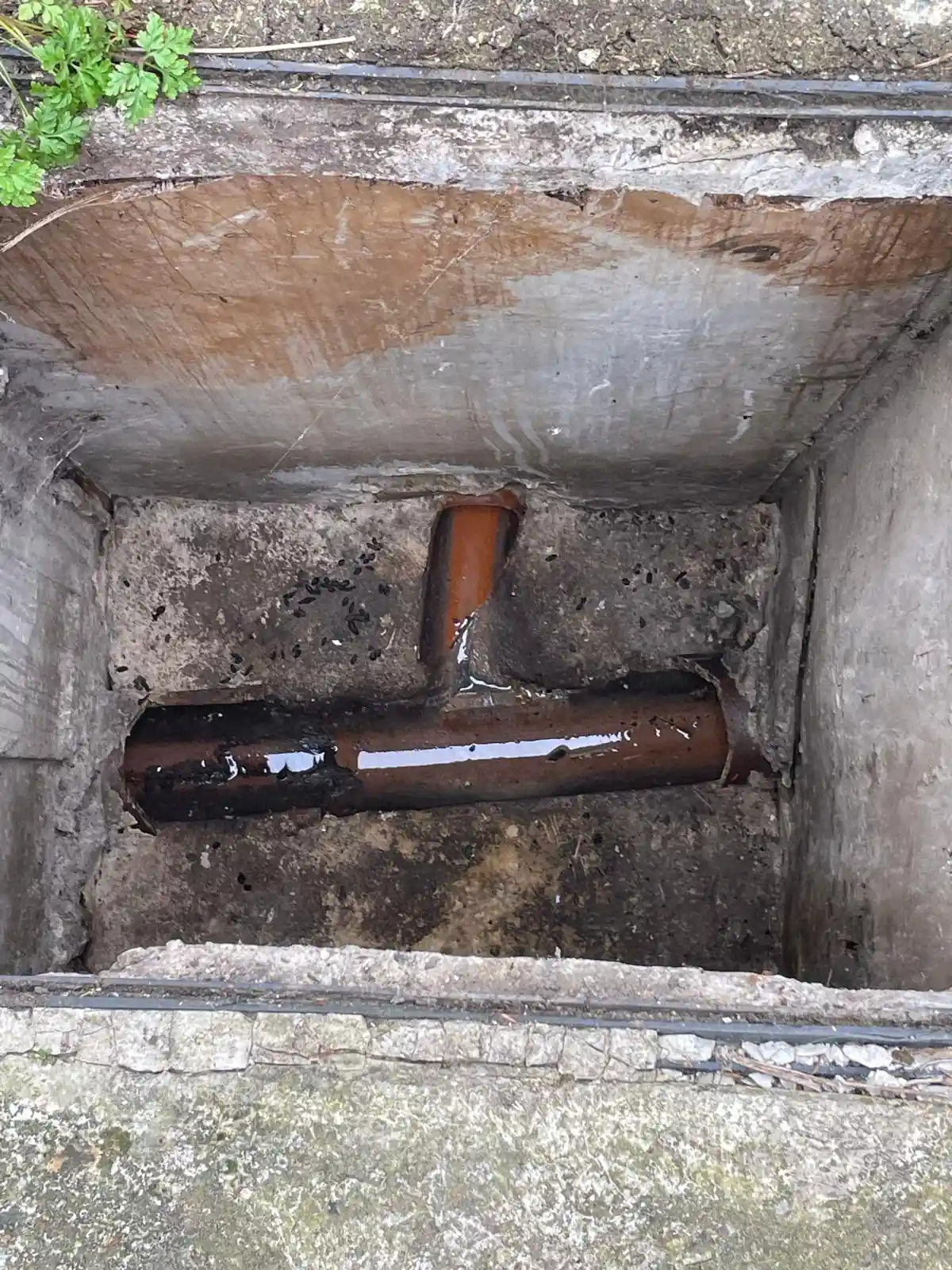
Outdoors, check along fence lines, under decking, around compost bins, beside sheds and garages, near drain covers, and in any sheltered area close to a food source. Rat runs — worn pathways through grass and along wall bases — often have droppings along them.
Indoors, check behind kitchen appliances, under the sink, in the loft along joist lines and near water tanks, in garages and utility rooms, under bath panels, and inside stored boxes. Rats tend to stay at ground level and below, so focus on lower areas rather than high shelves.
In commercial premises, check loading bays, bin storage areas, around grease traps, inside dry goods stores, and along cable risers between floors. Dense clusters of droppings indicate a nearby harbourage that needs targeted treatment.
Health Risks from Rat Droppings
Rat droppings carry serious diseases. Leptospirosis (Weil's disease) is the most significant risk in the UK — spread through rat urine contaminating water and surfaces, it can cause kidney failure, liver damage, and in severe cases can be fatal. While primarily transmitted through urine, handling contaminated droppings without protection is also a risk.
Salmonella bacteria are commonly found in rat droppings and contaminate food and surfaces. Hantavirus, though rare in the UK, can be transmitted through inhaling dust from dried rat droppings — making disturbance of droppings in enclosed spaces like lofts and sheds particularly dangerous.
Rat droppings and urine also carry allergens that can trigger respiratory reactions. In commercial food premises, any evidence of rat droppings constitutes a food safety hazard that must be reported and addressed immediately.
Need professional help with rat control? BuzzKill Pest Control offers fast, effective treatment with no call-out charge.
How to Clean Up Rat Droppings Safely
Never sweep or vacuum rat droppings dry. Sweeping and vacuuming can aerosolise bacteria and viral particles, making them airborne. This is particularly dangerous with large accumulations in enclosed spaces like lofts, sheds, and under-floor voids.
Wear rubber or latex gloves and a face mask (FFP3 recommended for large accumulations). Spray the droppings and surrounding area with a disinfectant solution or 1 part bleach to 10 parts water. Allow it to soak for at least 10 minutes before wiping up with disposable paper towels or cloths.
Double-bag all waste in sealed plastic bags and dispose of in your outdoor bin. Wash your hands thoroughly with soap and hot water after removing gloves. For extensive contamination — particularly in lofts or commercial premises — consider professional decontamination to ensure thorough cleaning.
Fresh Droppings Keep Appearing
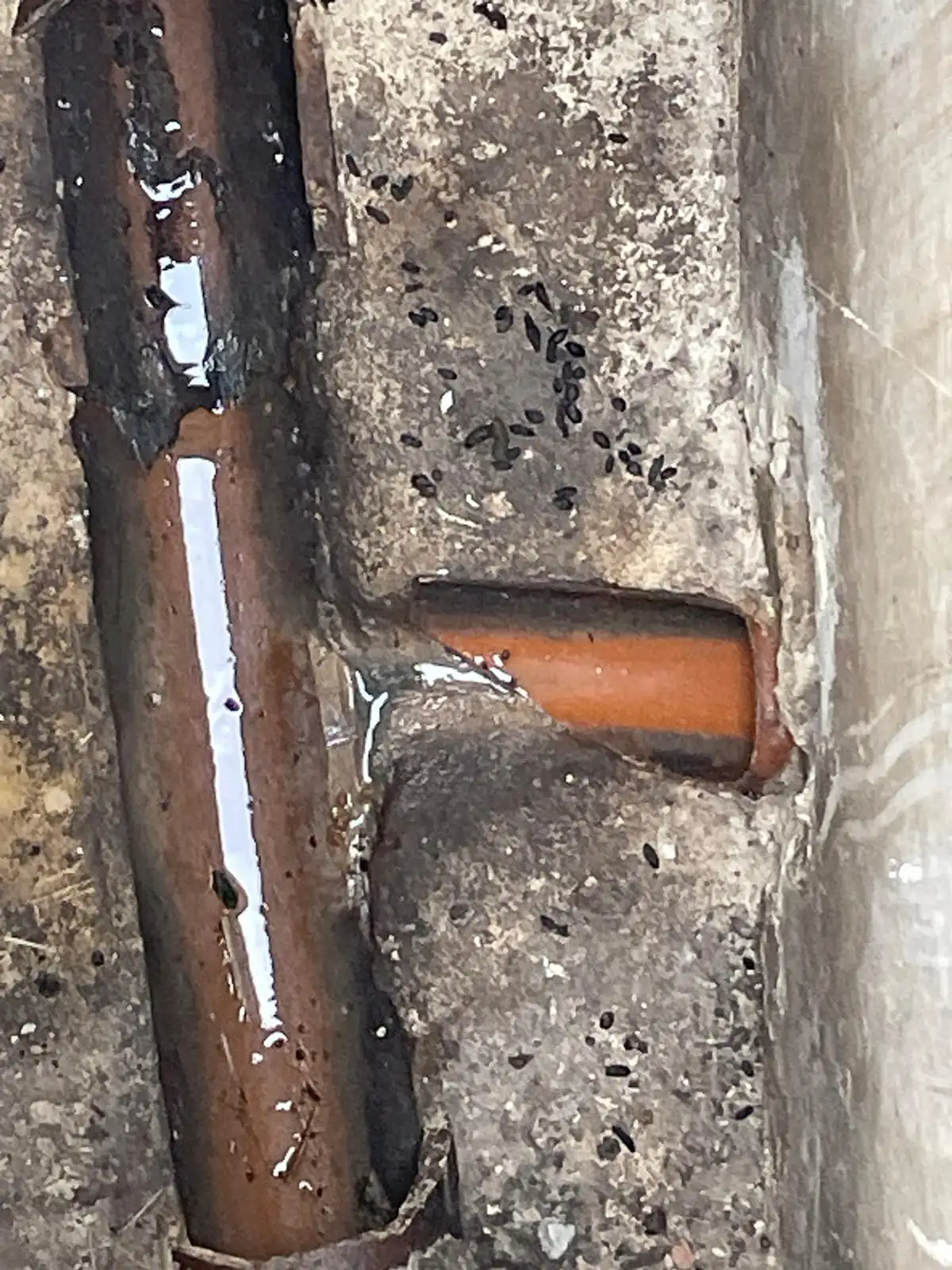
If you clean an area and fresh droppings reappear within a day or two, you have an active infestation that requires professional treatment. Cleaning alone does not solve the problem — the rats are still present and actively using your property.
Use the location of reappearing droppings to identify high-activity areas. This information is valuable for your pest controller, who will position bait stations and traps along these confirmed routes for maximum effectiveness.
Do not delay seeking professional help. Rats breed rapidly and cause cumulative damage to your property. The longer you wait, the larger the colony grows and the more expensive treatment becomes. Contact our rat control team for a same-day response.
Frequently Asked Questions
How many droppings does a rat produce per day?
A single rat produces approximately 40 droppings per day, typically deposited in clusters near nesting and feeding areas. Finding large clusters indicates a harbourage point is very close by.
Can you get Weil's disease from rat droppings?
Leptospirosis (Weil's disease) is primarily spread through rat urine rather than droppings. However, handling rat droppings without gloves can expose you to contaminated surfaces. Always wear gloves and disinfect the area when cleaning up rat evidence.
How long do rat droppings stay infectious?
Rat droppings can harbour bacteria for several days after being deposited. Dried droppings pose an inhalation risk when disturbed. Always spray droppings with disinfectant and allow to soak before removal, regardless of how old they appear.
Are rat droppings bigger than mouse droppings?
Yes, significantly. Rat droppings are 10 to 20mm long with blunt, rounded ends. Mouse droppings are 3 to 8mm long with pointed ends. The size difference is the most reliable way to distinguish between the two rodents.
I found droppings in my loft — is it rats or mice?
Measure the droppings. If they are smaller than 8mm with pointed ends, you have mice. If larger than 10mm with rounded ends, you have rats. Both species commonly inhabit loft spaces, but mice are more frequently found in lofts while rats are more common at ground level and below.
Professional Rat Control Service
Learn more about our rat control service, pricing, treatment methods, and customer reviews.
View Rat Control Service