
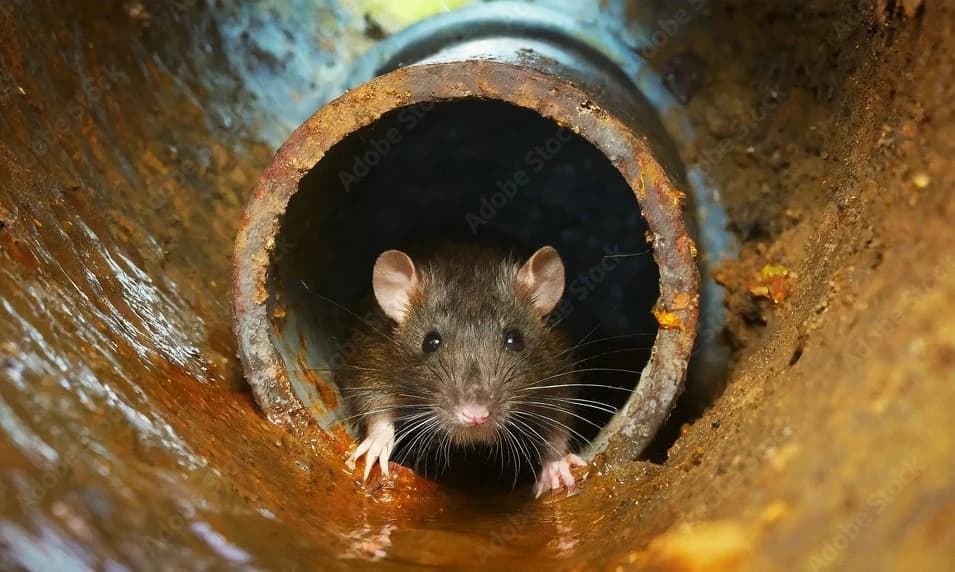

Rats are one of the most challenging pests to eliminate. They are cautious, intelligent, and neophobic — meaning they avoid new objects in their environment, which makes trapping them far harder than trapping mice. Their ability to gnaw through almost any material, swim through drains, and climb vertical surfaces means they can access properties in ways most homeowners never expect.
This guide explains every method available for getting rid of rats — from DIY traps and prevention to professional treatment and CCTV drain surveys — so you can choose the right approach for your situation.
Published:
Confirm You Have Rats, Not Mice


Before taking action, confirm which rodent you are dealing with — treatment approaches differ significantly. The quickest way to tell is timing and sound: rats are active at night with heavy thumping and scratching, while mice produce lighter scurrying sounds and tend to inhabit upper floors. Droppings are the most reliable visual indicator — see our rat droppings identification guide for a detailed comparison.
Our signs of rats guide covers all indicators in detail, including gnaw marks, burrows, grease smears, and rat runs.
Remove Food and Water Sources

Rats need around 30ml of water and 25 to 30 grams of food per day — far more than mice. Eliminating food sources is essential but harder than with mice because rats forage up to 300 metres from their burrow. The top priorities are stopping bird feeding, securing bins, clearing fallen fruit, and storing pet food in sealed metal containers.
Fix any leaking outdoor taps or pipes, as rats depend on water sources more heavily than mice. Our rat prevention guide provides a comprehensive food source and exclusion checklist.
DIY Rat Control Methods
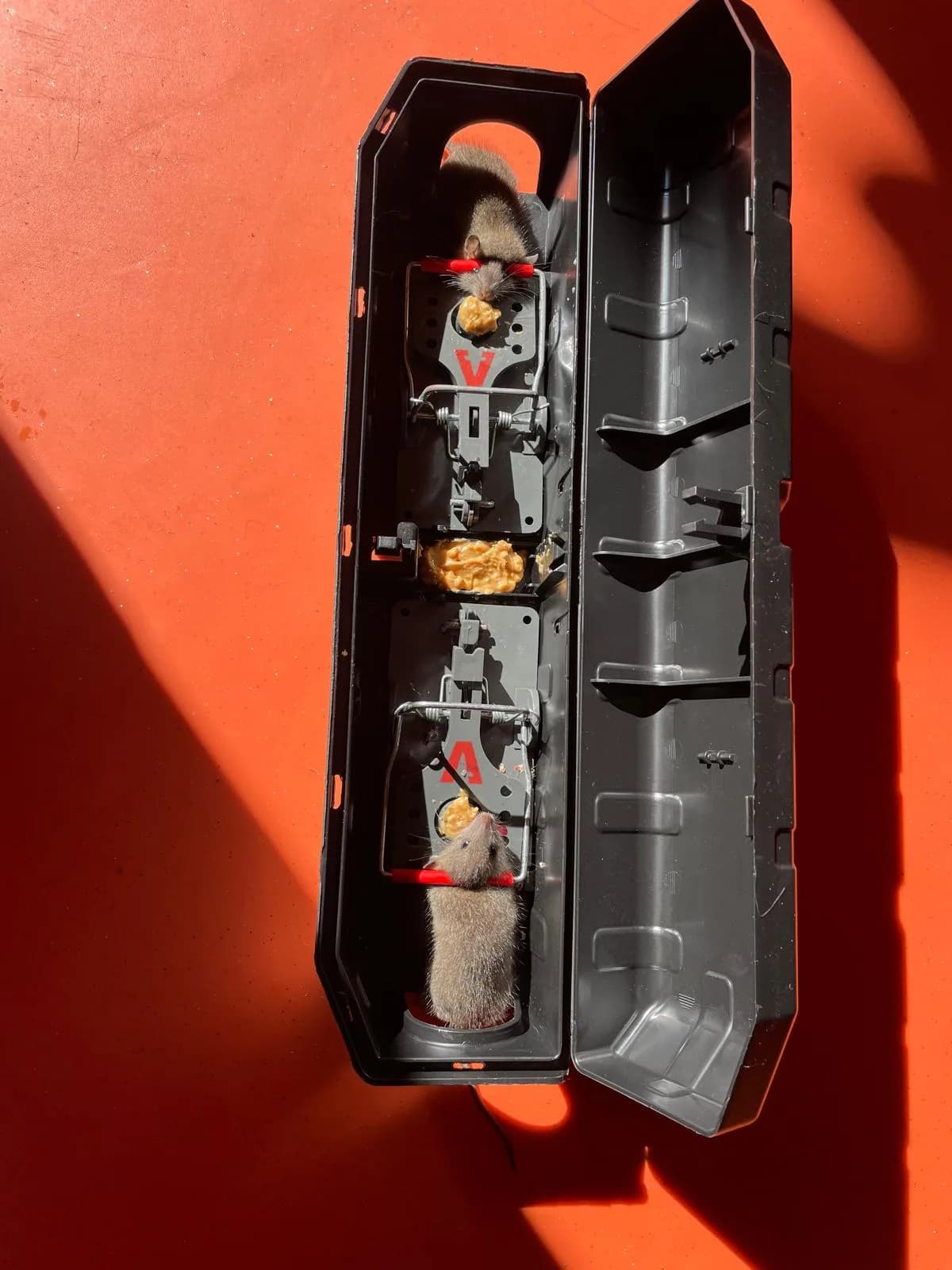
DIY rat control is significantly harder than DIY mouse control because of rat neophobia — their natural fear of new objects. A rat may avoid a newly placed trap for days or even weeks before approaching it. Pre-baiting (placing unset, baited traps for several days so rats become accustomed to them) is essential before setting traps live.
Snap traps designed for rats are much larger and more powerful than mouse traps — never use mouse traps for rats, as they are too small and weak. Place traps along confirmed rat runs, perpendicular to walls, baited with peanut butter or chocolate. Wear gloves when handling traps to avoid transferring human scent.
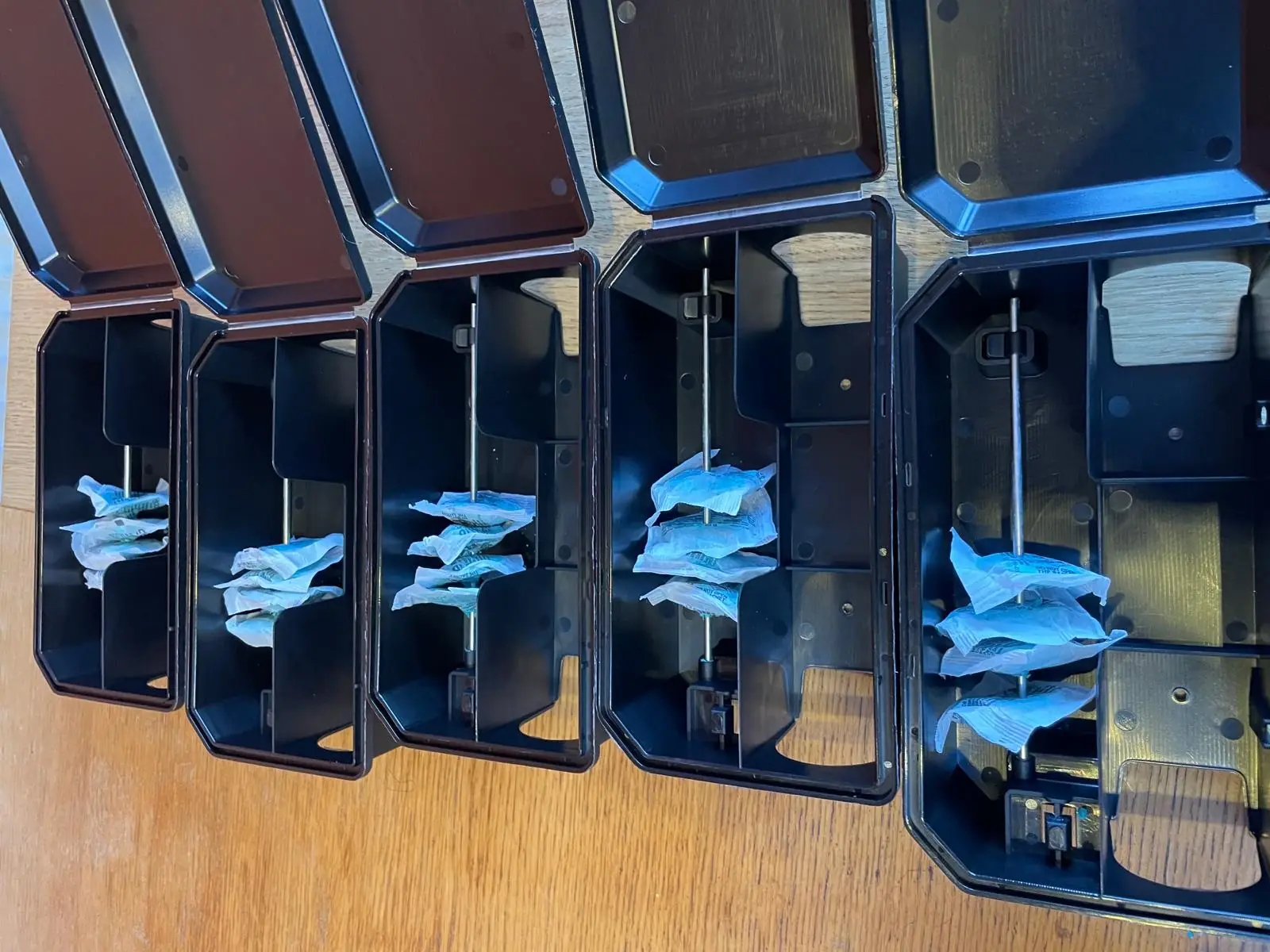
Over-the-counter rat poison is available but carries significant risks. Rats may die in inaccessible locations inside walls or under floors, causing severe odour. There is also a real risk of secondary poisoning to pets, particularly dogs that may find and eat a poisoned rat. Always use tamper-resistant bait stations.
When to Call a Professional
Professional treatment is recommended for virtually all rat infestations. Unlike mice, where a homeowner can sometimes resolve a small problem with traps, rats are too cautious, too destructive, and too dangerous to health to manage with DIY methods alone.
A professional pest controller will conduct a full property survey — including the garden, outbuildings, and drainage — to identify the source of the infestation. Many rat problems originate from defective drains, and without addressing the drainage issue, rats will keep returning no matter how much bait is laid.
Professional treatment uses commercial-grade rodenticides at higher concentrations than retail products, in heavy-duty tamper-resistant stations. Technicians also have the expertise to identify entry points that homeowners miss — gaps around soil pipes, broken air bricks, gaps under doors, and defects in drainage systems.
Need professional help with rat control? BuzzKill Pest Control offers fast, effective treatment with no call-out charge.
CCTV Drain Surveys — Finding the Source
A significant proportion of urban rat infestations originate from defective drainage. Rats live in sewer systems and enter properties through cracks, displaced joints, broken pipes, and missing interceptor traps in the drainage network. If your drains are compromised, baiting and trapping will only provide temporary relief — rats will continue entering from the sewer.
A CCTV drain survey involves feeding a small camera through your drainage system to inspect the condition of every pipe, joint, and connection. The camera reveals cracks, collapses, root ingress, and misaligned joints that provide entry points for rats. Our rats in drains guide explains this process in detail.
Once defects are identified, drainage repairs — such as lining cracked pipes, replacing collapsed sections, or fitting rat blockers — permanently eliminate the entry route. This is often the single most important step in resolving a persistent rat problem.
Proofing and Long-Term Prevention
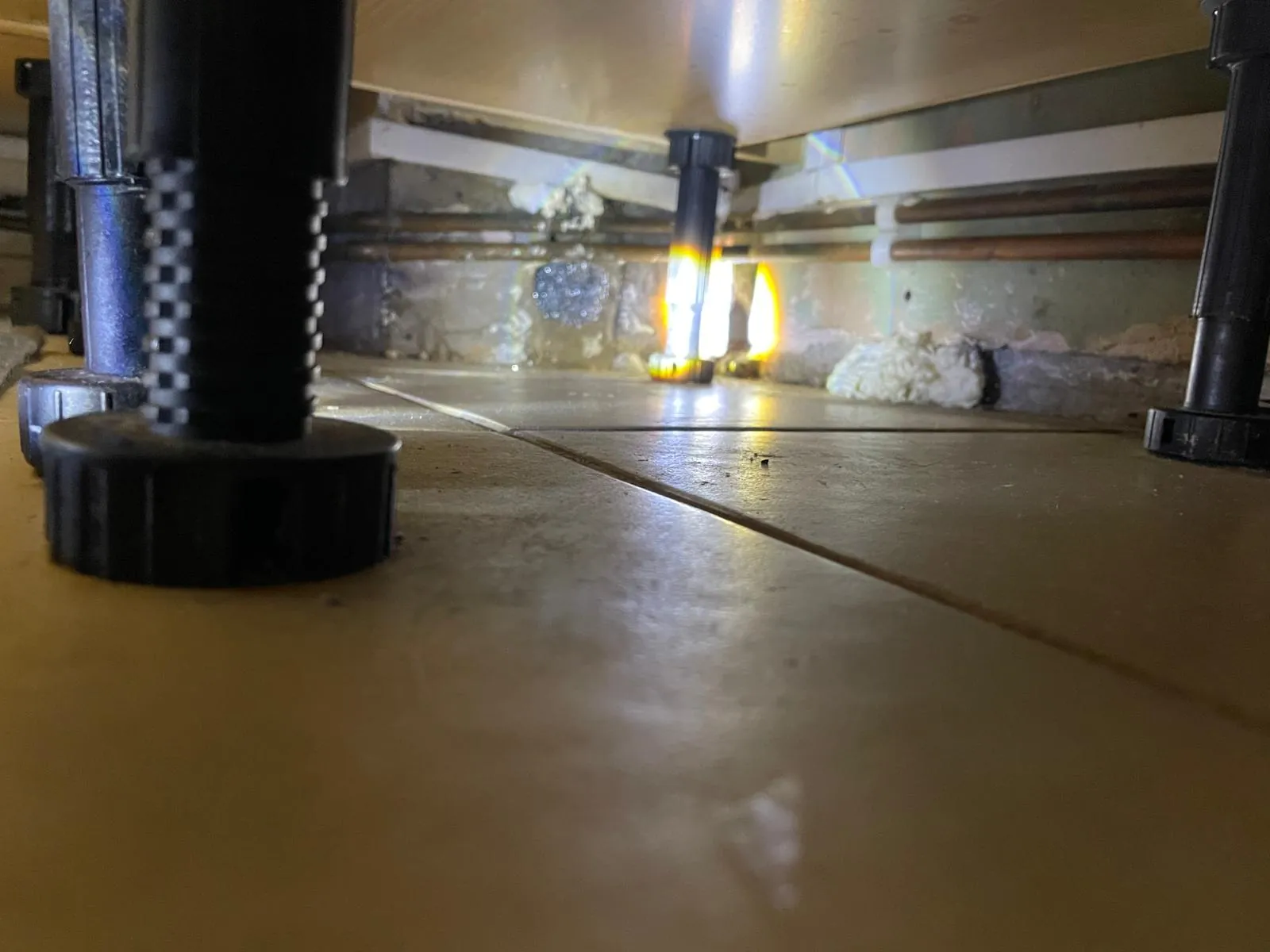
Trapping and baiting removes the current colony, but without sealing entry points, new rats will move in within days. Rat proofing requires heavy-duty materials — galvanised steel mesh, cement, and metal kick plates — because rats can gnaw through wood, plastic, aluminium, and even steel wool.
Key areas include gaps around pipes, broken air bricks, gaps under doors, and any hole larger than 15mm. For a full property checklist covering proofing, drainage, garden maintenance, and outbuildings, see our rat prevention and proofing guide.
Frequently Asked Questions
Why are rats harder to get rid of than mice?
Rats are neophobic — they fear new objects and may avoid traps and bait stations for days or weeks. They are also larger, more cautious, and often enter from drains, which requires drainage investigation rather than just indoor treatment.
How long does professional rat treatment take?
Professional rat treatment typically takes 3 to 6 weeks, longer than mice treatment. The initial visit places bait, with follow-up visits every 7 to 14 days to check uptake and replenish. Rat neophobia means bait uptake starts slowly and increases over time.
Can rats chew through concrete?
Rats can gnaw through soft or crumbling concrete, morite, and cement render. They cannot chew through solid, well-cured concrete, but they exploit existing cracks and weak points to widen gaps. This is why drainage defects are so significant — a small crack is all a rat needs.
Do rats come from drains?
Yes, a large proportion of urban rat infestations originate from defective drainage. Rats live in sewer systems and enter properties through cracks, displaced joints, and broken pipes. A CCTV drain survey is often essential to identify and fix these entry points.
Should I block rat holes before treatment?
No. Blocking burrow entrances before treatment can force rats into your home through alternative routes. Wait until your pest controller confirms the colony has been eliminated, then seal all entry points with appropriate materials.
Professional Rat Control Service
Learn more about our rat control service, pricing, treatment methods, and customer reviews.
View Rat Control Service