
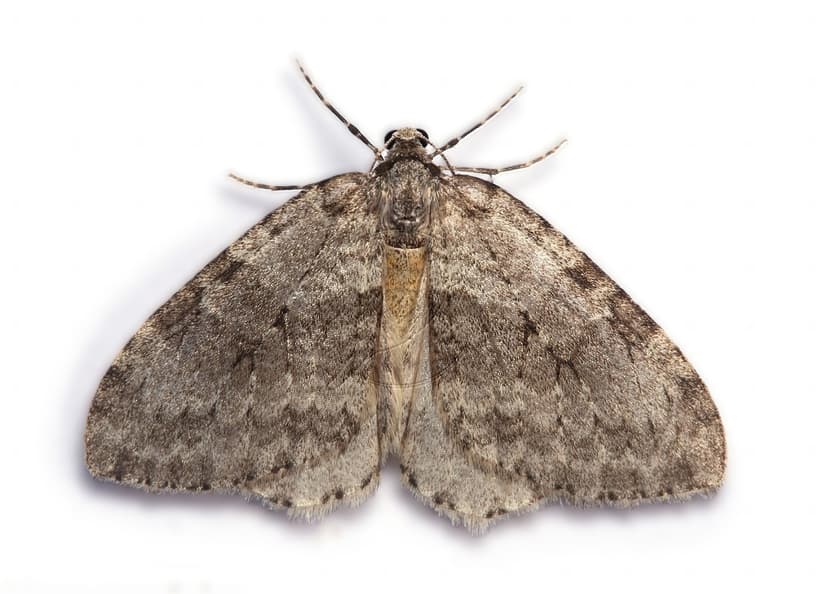
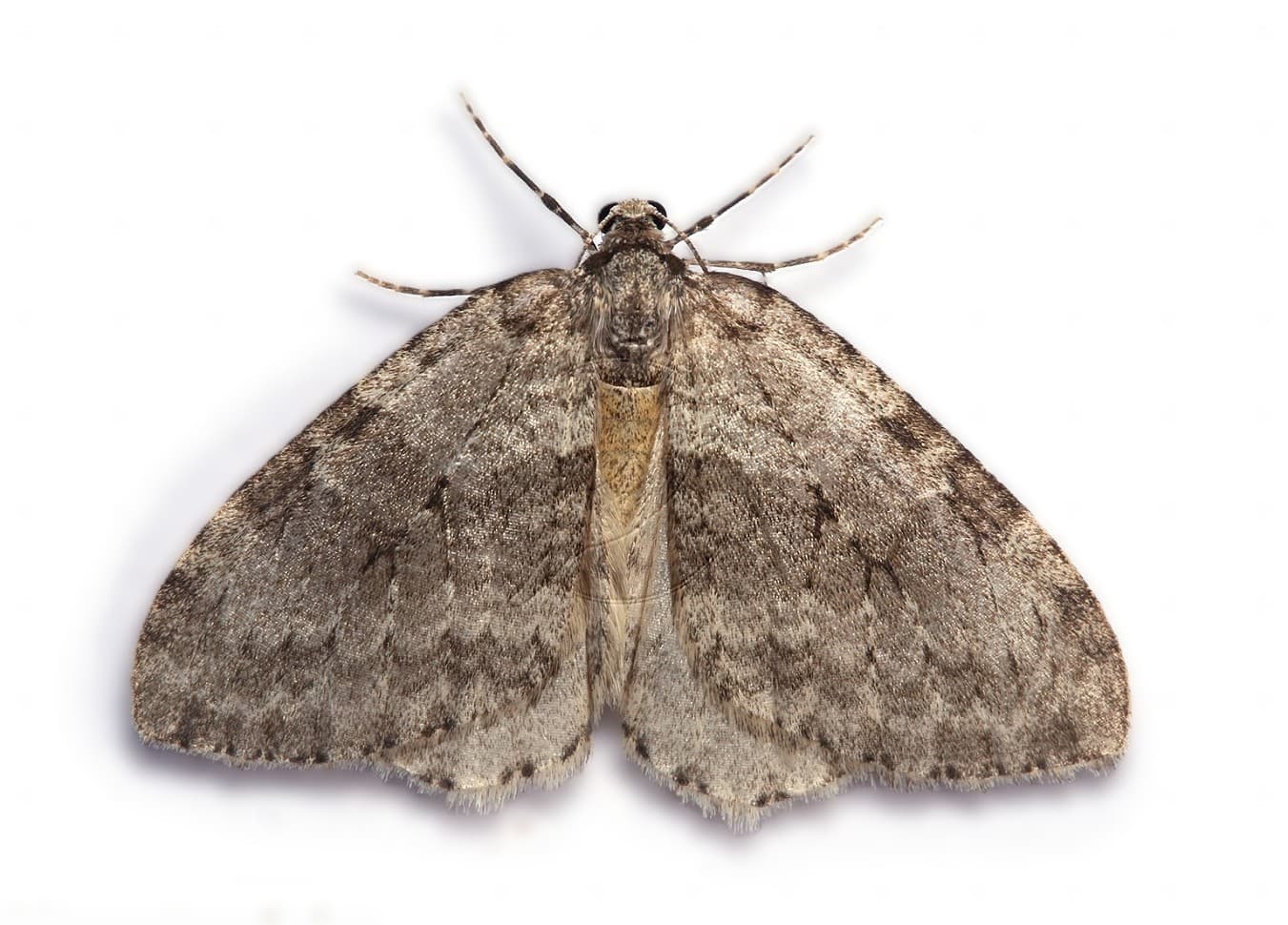
It can be difficult to prevent moths entirely, but there are practical steps you can take to significantly reduce the risk of an infestation. The key is to deny them access indoors, remove the conditions they need to breed, and protect your clothing and other delicate items from damage.
Moth repellents and DIY products are available for small problems, but to guarantee complete control of a large or repeat infestation, professional treatment combined with ongoing prevention is the best option.
Published:
Deny Moths Entry to Your Home
Preventing moths must always start with denying them access indoors. Once inside, female moths will lay eggs in dark, rarely disturbed areas such as wardrobes, cupboards, drawers, and underneath furniture where clothes or textiles are stored.
Use fly screens — Fit mesh screens on windows, or draw curtains at night to prevent moths entering your home through open windows and doors during spring and summer when adults are most active.
Check second-hand items — Inspect vintage clothing, second-hand rugs, charity shop textiles, and antique furniture for signs of moth larvae before bringing them into your home. Moths are commonly introduced on pre-owned textiles.
Remove bird nests — Old bird nests in lofts, eaves, and chimneys attract moths. The feathers and debris provide ideal breeding sites from which larvae migrate into your living spaces.
Protect Your Clothing
Clean before storing — Moths are attracted to dirty or soiled garments. Always wash or dry clean clothes thoroughly before storing them for the season. Sweat, food stains, and body oils attract egg-laying females.
Seal stored textiles — If you plan to store textiles for a long period, keep them in sealed plastic bags, vacuum-sealed containers, or zipped suitcases. This physically prevents moths reaching the fabric to lay eggs.
Use pheromone traps — Place traps inside wardrobes and storage areas as an early warning system. If traps start catching moths, you can act before larvae become established and cause visible damage.
Rotate your wardrobe — Regularly move and air clothing, especially items made from wool, cashmere, and silk that may sit undisturbed for months. Moths prefer still, dark environments where fabrics are not disturbed.
Protect Your Carpets
Vacuum regularly — Ensure hidden areas such as under large furniture, along skirting boards, and behind sofas are regularly vacuumed to remove moth eggs before they hatch. Weekly vacuuming of carpet edges is one of the most effective prevention measures.
Move furniture periodically — The dark, undisturbed carpet beneath heavy furniture is the most common site for carpet moth infestations. Move sofas, beds, and wardrobes at least once every few months to vacuum underneath.
Address spare rooms — Underneath beds in little-used spare rooms is a high-risk area. Infrequently used rooms provide the dark, still conditions that moth larvae prefer. Vacuum these rooms as regularly as the rest of your home.
Need professional help with moth pest control? BuzzKill Pest Control offers fast, effective treatment with no call-out charge.
High-Risk Areas to Monitor
Certain areas of your home are significantly more vulnerable to moth infestations. Focus your prevention efforts on these locations:
Underneath beds — Especially in little-used spare rooms where the carpet may go months without being vacuumed or disturbed.
Infrequently used storage — Cupboards, drawers, and wardrobes that are rarely opened. Seasonal clothing storage is particularly vulnerable.
Lofts and attics — Moths can be attracted to old bird nests in the eaves of homes. The combination of feathers, warmth, and darkness makes loft spaces an ideal breeding ground.
Carpet edges — The strips of carpet along skirting boards and underneath fitted furniture that are never vacuumed or walked on. These dark, undisturbed edges are where carpet moth larvae concentrate.
When Prevention Is Not Enough
If you are already seeing moths, larvae, or damage despite taking preventive measures, the infestation has moved beyond what prevention alone can address. Professional treatment is the fastest and most reliable way to eliminate an established moth problem.
Our technicians will inspect your property, identify the species and source, and apply targeted treatment to all affected areas. We also provide detailed prevention advice tailored to your specific property to reduce the risk of future infestations. Visit our moth control service page for pricing and details.
Frequently Asked Questions
Do cedar balls and lavender repel moths?
Cedar and lavender have a mild deterrent effect when fresh, but they do not kill moths or prevent egg-laying. Their effectiveness diminishes quickly as the scent fades. They may complement other prevention measures but should not be relied on alone.
Can mothballs prevent infestations?
Mothballs (naphthalene) can deter moths in sealed containers, but they are toxic to humans and pets, have a strong unpleasant odour, and should not be used in open wardrobes or living spaces. Sealed plastic storage and regular cleaning are safer and more effective.
How often should I vacuum to prevent moths?
Vacuum at least weekly, with particular attention to carpet edges, under furniture, along skirting boards, and inside wardrobes. In high-risk areas or after a previous infestation, vacuum these spots twice weekly.
Do moths come from outside?
Yes. Adult moths fly in through open windows and doors, particularly during spring and summer. They can also enter via bird nests in your loft or eaves. Fly screens and removing old bird nests reduce the risk significantly.
Can I moth-proof my entire wardrobe?
You can significantly reduce risk by cleaning all clothes before storing, using sealed garment bags for valuable items, placing pheromone traps, and vacuuming the wardrobe interior regularly. No method is 100% guaranteed, but these steps together provide strong protection.
Professional Moth Pest Control Service
Learn more about our moth pest control service, pricing, treatment methods, and customer reviews.
View Moth Pest Control Service