
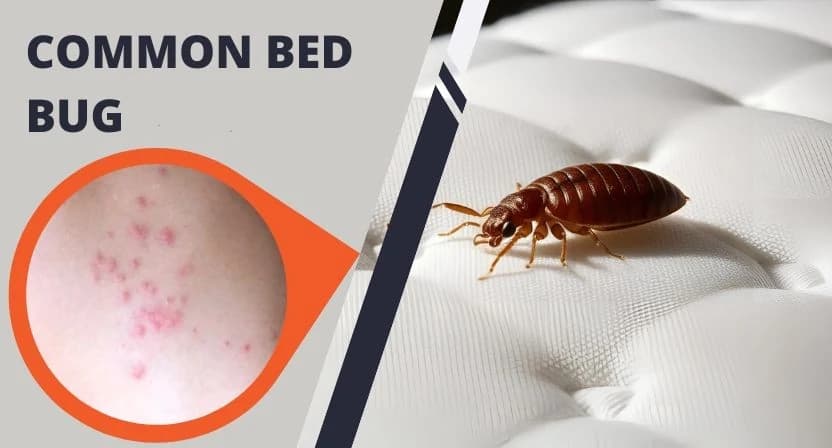
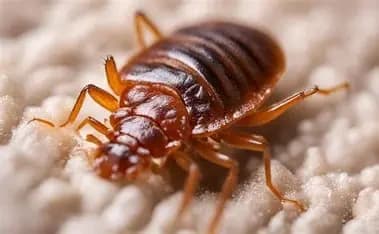
Bed bugs are one of the most distressing household pests in the UK, and once they take hold they are notoriously difficult to eliminate. Their rapid breeding cycle means a small problem can escalate into a severe infestation within weeks if left unchecked. Unlike fleas, which primarily affect pet owners, bed bugs target any property with regular human occupancy.
This guide covers everything you need to know about getting rid of bed bugs — from confirming you have them and understanding why they are so resilient, to DIY steps that can help and when it is time to call a professional bed bug removal service.
Published: · Updated:
Why the Lifecycle Makes DIY Removal So Difficult
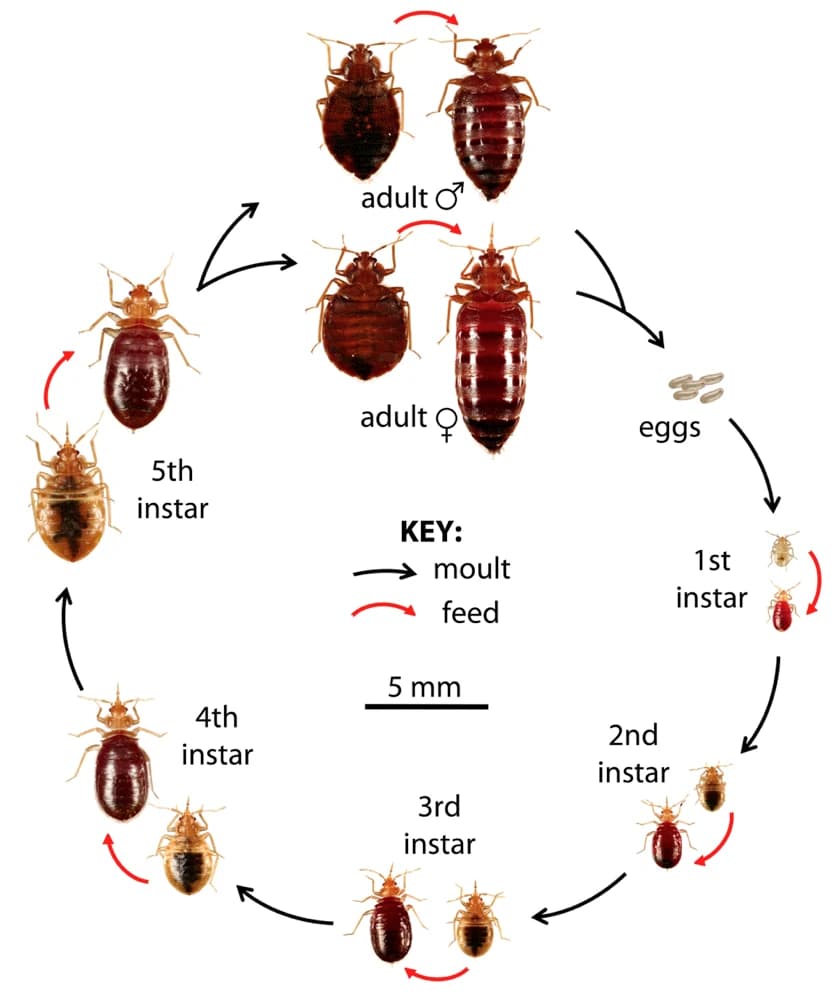
The reason most DIY treatments fail is the bed bug lifecycle. Eggs are protected from nearly all consumer insecticides, so even a thorough spray kills only the adults and nymphs present at the time. Within days, a new generation hatches from untouched eggs and the infestation rebounds.
Professional treatments overcome this by using residual products that stay active for weeks — newly hatched nymphs absorb the insecticide as they crawl over treated surfaces. A follow-up visit two weeks later catches any stragglers. For a full breakdown of each stage and why it matters, see our dedicated bed bug lifecycle guide.
Bed bugs can also survive for several months without feeding, which is why empty properties and spare bedrooms can harbour dormant populations that emerge as soon as a new host arrives. You cannot simply wait them out.
DIY Bed Bug Control Methods
Start by stripping all bedding and laundering it on your machine's hottest cycle — the water temperature must reach at least 60°C to kill all life stages. Items that cannot be washed (shoes, books, soft toys) can be sealed in plastic bags and placed in a freezer at -18°C for a minimum of four days.
Vacuum the mattress thoroughly on both sides, paying close attention to seams, piping, and handles. Vacuum the bed frame, headboard, and any cracks in surrounding flooring. Empty the vacuum canister or bag into a tied-off bin liner and take it straight to your outside bin.
Mattress and pillow encasements designed for bed bug control can trap bugs inside and prevent new ones from colonising your mattress. These must remain sealed for at least 12 months because bed bugs can survive extended periods without feeding.
Over-the-counter bed bug sprays are available from hardware stores, but their effectiveness is limited. Many bed bug populations in the UK have developed resistance to permethrin-based products. Diatomaceous earth can be applied to cracks and voids as a supplementary measure but is unlikely to resolve an established infestation on its own.
When to Call a Professional
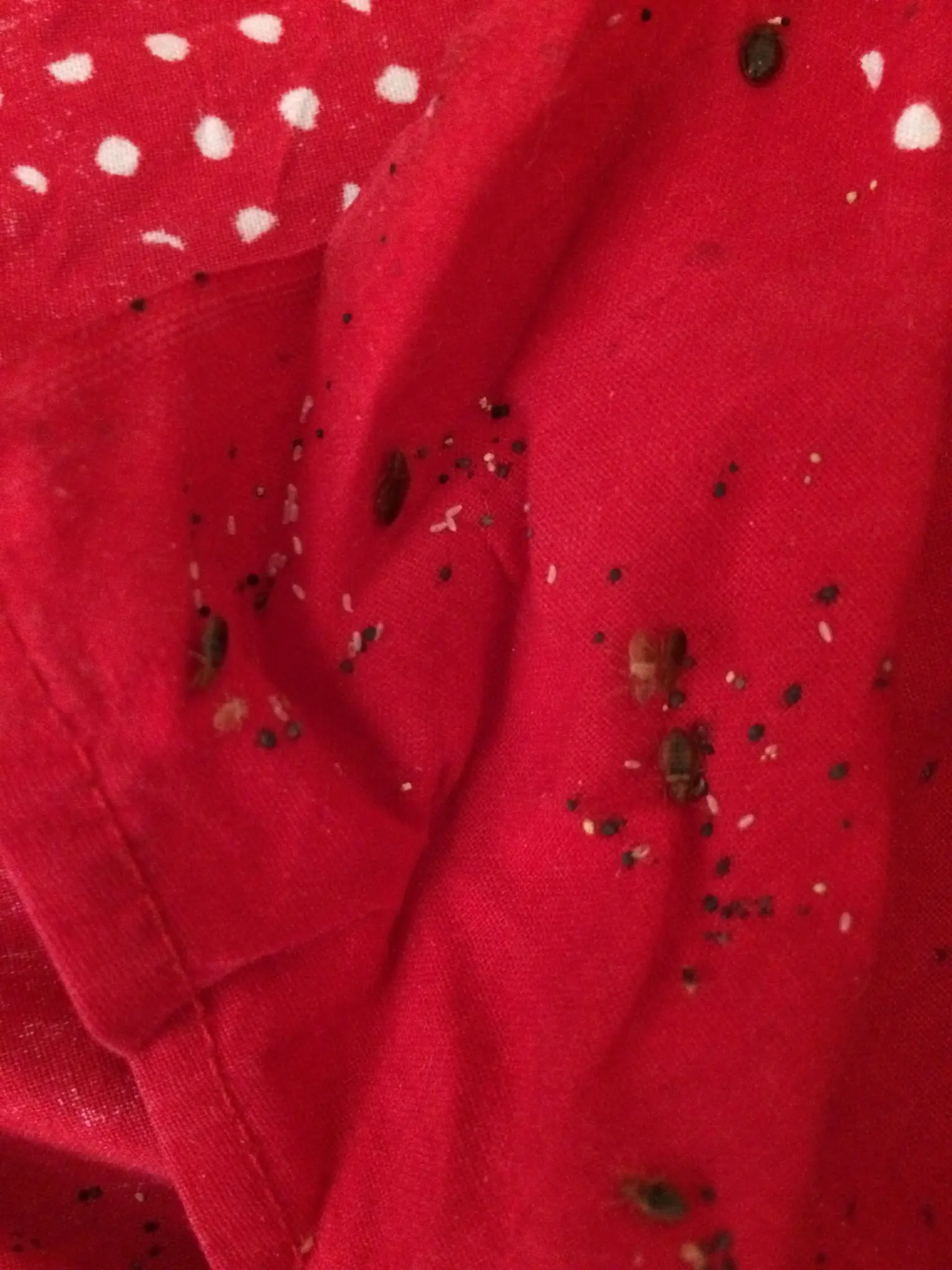
DIY measures can help contain a very early or mild bed bug problem, but professional treatment is almost always necessary for established infestations. If you are seeing live bugs regularly, finding bites most mornings, or the problem has spread beyond one room, it is time to call a pest controller.
Professional pest controllers have access to commercial-grade insecticides with stronger residual activity than anything available to the public. They also have the experience to locate hidden harbourage points that homeowners typically miss — inside electrical sockets, behind headboards, within bed frame joints, and along carpet tack strips.
Multi-occupancy buildings such as flats, HMOs, and student halls present a particular challenge. Bed bugs travel between units through wall voids and shared services, meaning treatment of a single flat may fail if neighbouring units are also infested. A professional can coordinate a building-wide approach.
Need professional help with bed bug removal? BuzzKill Pest Control offers fast, effective treatment with no call-out charge.
What to Expect from Professional Treatment
On arrival, the technician inspects the property to confirm the infestation, assess severity, and identify every harbourage point. This initial survey takes 15 to 30 minutes and determines the treatment plan — you will know the cost and schedule before any work starts.
Treatment itself typically takes 1 to 2 hours for a standard bedroom. The technician treats the room systematically and will explain exactly which areas have been treated and why. You can ask questions throughout the process.
Most infestations require two visits spaced 14 days apart. The second visit accounts for eggs that were protected during the first treatment. Your technician will tell you at the first visit whether a third visit is likely, so there are no surprises. For full details of the products and methods we use, see our bed bug treatment service page.
What Happens in the Weeks After Treatment
Week 1: You may still see the occasional live bug. This is expected — bed bugs hiding deep in crevices take time to contact treated surfaces. Keep sleeping in the room as normal; your presence is part of the treatment.
Weeks 2–3: Activity should reduce noticeably. Your second treatment visit takes place around day 14, targeting any nymphs that have hatched since the first visit. After this visit, sightings should drop to near zero.
Week 4+: By the end of the month, a properly treated infestation is resolved. If you are still seeing live bugs after four weeks, contact your pest controller — a further visit may be included under guarantee.
Throughout this period, leave treated surfaces undisturbed and avoid DIY sprays. For long-term strategies to stop bed bugs returning, visit our preventing bed bug infestations guide. For room-by-room preparation advice, see our bed bug control for homes guide.
Frequently Asked Questions
Can bed bugs come back after professional treatment?
A thorough professional treatment will eliminate the existing infestation, but re-infestation can occur if new bed bugs are introduced. Common sources include neighbouring properties in flats or terraced houses, luggage after travelling, and second-hand furniture. Regular inspections and preventative measures such as mattress encasements significantly reduce the risk.
Can bed bugs live in a clean house?
Yes. Bed bugs are not attracted to dirt or poor hygiene — they are attracted to warmth, carbon dioxide, and the presence of a human host. Even the cleanest homes can develop a bed bug problem if bugs are introduced via luggage, clothing, or second-hand furniture.
Do I need to throw away my mattress?
In most cases, no. Professional treatment can eliminate bed bugs from your mattress without the need to replace it. Using a bed bug-proof mattress encasement after treatment provides an additional layer of protection. Only heavily infested mattresses that are already in poor condition may need replacing.
Should I sleep in a different room if I have bed bugs?
No — it is best to continue sleeping in the treated room. Your body heat and exhaled CO₂ draw bed bugs out of their hiding spots and into contact with treated surfaces, making the insecticide far more effective. Moving to another room often causes bed bugs to follow, spreading the infestation to new areas of the property.
Should I throw away my mattress if I have bed bugs?
In most cases there is no need to discard your mattress or other furniture. Professional insecticide treatments penetrate the seams, tufts, and crevices where bed bugs hide, eliminating them in situ. Fitting a bed bug-proof encasement after treatment adds a further layer of protection and extends the life of your mattress.
Professional Bed Bug Removal Service
Learn more about our bed bug removal service, pricing, treatment methods, and customer reviews.
View Bed Bug Removal Service