
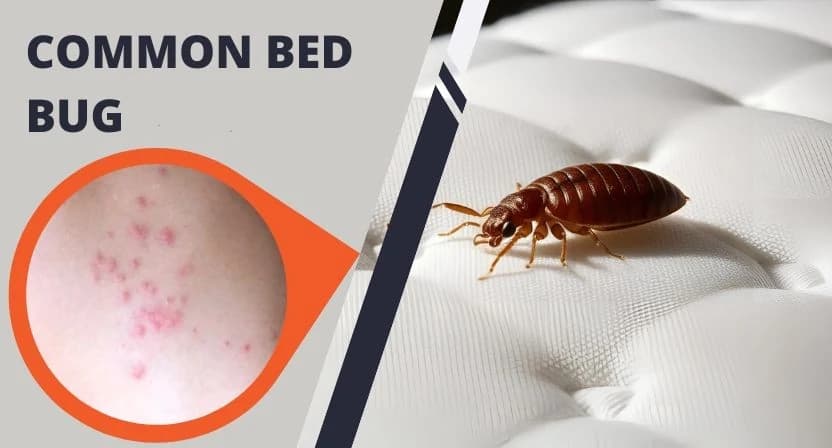
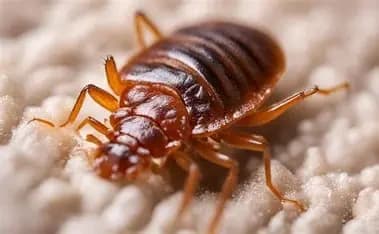
A quick internet search for bed bug remedies returns an overwhelming number of DIY suggestions — from diatomaceous earth and tea tree oil to rubbing alcohol and ultrasonic repellers. Some of these have a grain of truth behind them, while others are completely ineffective.
As professional pest controllers, we believe in giving honest, evidence-based advice. This guide examines the most popular bed bug home remedies, explains the science (or lack thereof), and gives you a straight answer on whether they work.
Published: · Updated:
Diatomaceous Earth for Bed Bugs
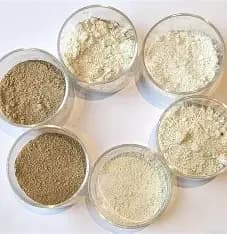
Diatomaceous earth (DE) is a fine powder made from fossilised diatoms. Food-grade DE is widely recommended for bed bug control because its microscopic sharp edges damage the waxy coating on bed bug exoskeletons, causing them to dehydrate and die.
There is legitimate scientific evidence that DE can kill adult bed bugs, and it is used as a supplementary measure by some professional pest controllers. However, it works slowly — studies show it takes 7 to 17 days to kill bed bugs through dehydration, during which time they continue to feed and reproduce.
DE must be applied in a very thin layer to be effective. Bed bugs will walk around thick piles rather than through them. It also loses effectiveness when damp. Most importantly, DE does not kill eggs, so it cannot resolve an infestation on its own.
Verdict: partially effective as a supplementary measure in dry crevices and voids, but far too slow and limited to serve as a primary treatment. It will not resolve an established infestation.
Tea Tree Oil and Essential Oils

Various essential oils — including tea tree, lavender, peppermint, and eucalyptus — are claimed to repel or kill bed bugs. Some products marketed as natural bed bug sprays are based on these oils.
Research shows that certain essential oils can kill bed bugs on direct contact in laboratory conditions. However, they evaporate quickly and have no residual activity, meaning they only affect bugs that are directly sprayed. They do not penetrate into the cracks and crevices where bed bugs hide.
There is no evidence that essential oils repel bed bugs in any meaningful way. Bed bugs are driven by the need to feed on blood, and a pleasant-smelling room will not deter them from seeking a host.
Verdict: not effective for treating infestations. Direct contact with concentrated oils can kill individual bugs, but the lack of residual activity and inability to reach hidden bugs makes these products impractical.
Rubbing Alcohol for Bed Bugs: Why It's Dangerous
Rubbing alcohol kills bed bugs on contact by dissolving their outer waxy coating. Some people spray it directly onto mattresses and furniture as a treatment.
While it does kill on contact, it evaporates within minutes and has zero residual activity. It only affects bugs that are directly sprayed, leaving the vast majority of the population untouched in their hiding spots. You would need to find and directly spray every individual bug to make any impact.
Rubbing alcohol is also highly flammable. Spraying it on mattresses and furniture in a bedroom creates a genuine fire hazard. There have been reported cases of house fires caused by people using rubbing alcohol for bed bug treatment.
Verdict: dangerous and ineffective. The contact-kill action is real but the lack of residual activity, inability to reach hidden bugs, and serious fire risk make this a poor and unsafe choice.
DIY Heat Treatment for Bed Bugs
Heat is genuinely lethal to bed bugs at all life stages. Temperatures above 46°C kill adult bed bugs within 90 minutes, and above 55°C death is near-instantaneous. This is the principle behind professional heat treatments.
Practical DIY heat methods include hot-washing bedding and clothing (the temperature must reach at least 60°C — check your machine's actual cycle temperature, not just the dial setting), running a tumble dryer on its highest heat for a full 30 minutes, and applying a domestic steam cleaner slowly along mattress seams and bed frame joints.
However, whole-room DIY heat treatment using space heaters or by turning up the central heating does not work. Achieving and maintaining the required temperature uniformly throughout a room — including inside wall voids and furniture — requires specialist industrial equipment that costs thousands of pounds.
Verdict: hot laundering and tumble drying are genuinely effective for washable items. Domestic steam can kill bugs on contact if applied slowly and at sufficient temperature. However, whole-room DIY heat treatment is not feasible without industrial equipment.
Need professional help with bed bug removal? BuzzKill Pest Control offers fast, effective treatment with no call-out charge.
Do Bed Bug Mattress Encasements Work?
Bed bug mattress encasements are zippered covers that completely seal the mattress, trapping any bed bugs inside and preventing new ones from colonising the mattress. Unlike most home remedies, these are genuinely effective and recommended by professional pest controllers.
Encasements do not kill bed bugs — they work by eliminating the mattress as a hiding spot and making monitoring easier. Any bugs trapped inside will eventually die from starvation, though this can take several months. The encasement must remain sealed and intact throughout this period.
Verdict: genuinely effective as part of a broader treatment strategy. Recommended as both a treatment aid and an ongoing preventative measure. However, encasements alone will not resolve an infestation because bed bugs also harbour in bed frames, headboards, skirting boards, and furniture.
When Home Remedies Are Not Enough
Home remedies can provide minor support for very early-stage situations, but they cannot resolve an established bed bug infestation. If you are seeing live bugs, finding bites regularly, or the problem has been present for more than a week or two, professional treatment is necessary.
The fundamental limitation of every home remedy is reach. No matter how thoroughly you spray, dust, or steam, you cannot access the places where most bed bugs spend most of their time. Professional-grade residual insecticides solve this problem — they remain active on surfaces long after application, killing bugs as they emerge over the following weeks.
Do not waste weeks trying home remedies while the infestation grows. Every day of delay means more eggs being laid and a larger, harder, and more expensive problem to resolve. If basic measures have not worked within two weeks, contact a professional pest controller.
For a complete treatment plan including professional options, see our guide to getting rid of bed bugs. Understanding the bed bug lifecycle explains why DIY methods fail against eggs. Once the infestation is resolved, our prevention guide will help you stop it happening again.
Frequently Asked Questions
Does vacuuming get rid of bed bugs?
Vacuuming physically removes bugs and eggs from accessible surfaces, reducing the population but never eliminating it. It is a useful first step and a good ongoing habit during treatment, but it cannot replace insecticidal treatment. Bag and discard the vacuum contents outside immediately after each session.
Can I freeze bed bugs to death?
Items can be frozen at -18°C for a minimum of four days to kill bed bugs at all life stages. This works for small items like clothing, shoes, and books. However, domestic freezers may not reach a consistently low enough temperature, and freezing is obviously impractical for mattresses and furniture.
Do ultrasonic bed bug repellers work?
No. Multiple independent studies have found that ultrasonic pest repellers have no effect on bed bugs. These devices are not recommended by any professional pest control body.
Can I use bug bombs or foggers for bed bugs?
Total-release foggers (bug bombs) are not effective against bed bugs. Studies show that the pesticide mist does not penetrate into the cracks and crevices where bed bugs hide. Worse, foggers can scatter bed bugs to new areas of the property, spreading the infestation.
Do bed bug sprays from shops actually work?
Retail bed bug sprays can kill bugs on direct contact, but they have little to no residual effect once the spray dries. This means any bed bugs hidden deep in cracks, behind skirting boards, or inside furniture joints survive and continue breeding. Professional-grade insecticides are formulated to remain active on surfaces for weeks, ensuring bugs that emerge later are also eliminated.
Professional Bed Bug Removal Service
Learn more about our bed bug removal service, pricing, treatment methods, and customer reviews.
View Bed Bug Removal Service