
Silverfish Pest Control in Gants Hill
Silverfish Removal & Damp Prevention Specialists
Professional Silverfish Treatment in Gants Hill
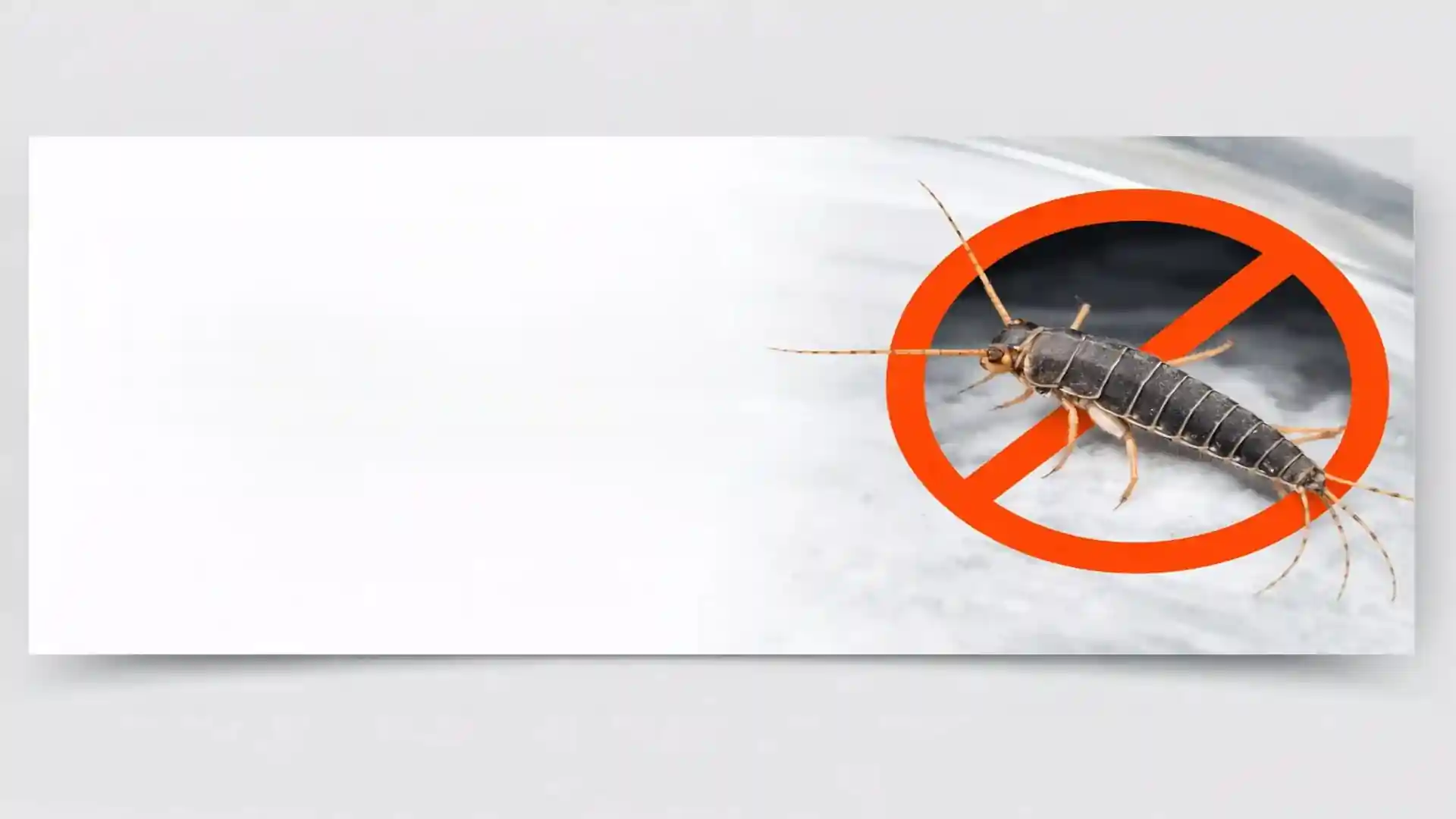
Silverfish are nocturnal, wingless insects known for their destructive feeding habits. Characterised by their silvery-blue colour, long antennae, and carrot-shaped body covered in tiny scales, they move with a distinctive fish-like wriggle — which is why they are also known as fish moths or carpet sharks.
They survive in most environments but thrive in conditions of high humidity — kitchens, bathrooms, basements, laundry rooms, and lofts in Gants Hill are ideal habitats. In large numbers they cause serious damage to old books, photographs, wallpaper, plaster, and other household items containing starch or cellulose.
At BuzzKill Pest Control, we provide fast, effective silverfish treatments across Gants Hill. Our technicians use professional-grade residual sprays and insecticidal dusts to target silverfish in their hiding places, combined with expert damp assessment advice to eliminate the humidity that attracts them. Silverfish are commonly found in the same damp conditions that attract cockroaches, so we check for both during treatment.






Get Rid of Silverfish
Prices from £120 for professional silverfish treatment.
To get rid of silverfish from your home call 0203 468 1999
How much does silverfish treatment cost?
| Silverfish treatment (1-2 rooms) | from £120 |
| Whole property treatment (3+ rooms) | from £180 |
| Loft or basement treatment | from £100 |
| Follow-up treatment (if needed) | from £70 |
Understanding Silverfish
Silverfish are one of the oldest insect species on earth, having remained virtually unchanged for over 400 million years. They are nocturnal, fast-moving, and extremely difficult to spot — their flat bodies and rapid wriggling movement allow them to squeeze into the tiniest cracks and disappear in seconds.
Adult silverfish are 12 to 19mm long with a distinctive silvery-blue metallic sheen, long thread-like antennae, and three tail appendages. They are wingless and cannot fly or jump, but they are surprisingly fast runners. They are commonly mistaken for firebrats, a closely related species that prefers hotter, drier conditions.
Silverfish are not harmful to people — they do not bite and carry no known diseases. However, they shed their skins throughout their lives, and the tiny scales left behind can mix with household dust and trigger allergic reactions and respiratory irritation in sensitive individuals, particularly in enclosed spaces like bathrooms and lofts.
Their diet is based on starch, cellulose, and carbohydrates. They feed on paper, book bindings, cardboard, wallpaper paste, glue, plaster, the emulsion coating on photographs (leaving small holes in images), clothing made from natural and synthetic fibres, dead insects, and dried food products. In large numbers, the damage to books, documents, and stored belongings can be substantial.
How Our Treatment Works
Our technician will inspect your property to identify where silverfish are harboured and what is attracting them. The inspection covers bathrooms, kitchens, lofts, airing cupboards, under-sink areas, and any rooms with damp or humidity issues.
We apply a professional-grade residual insecticide along skirting boards, around pipe penetrations, under sinks, behind toilets, and along any cracks and crevices where silverfish travel and hide. In areas where liquid spray is not suitable — such as inside wall cavities and under bath panels — we use insecticidal dust that remains active for months.
Critically, we also assess the underlying moisture problem. Silverfish cannot survive without high humidity, so reducing damp is essential for long-term control. Our technician will advise on ventilation improvements, leak repairs, and dehumidifier use to make your property less hospitable to silverfish.
How to Prevent Silverfish
Silverfish are a common pest that can be difficult to eliminate completely. Their flat bodies, fast movement, and nocturnal habits make them expert hiders. Prevention focuses on reducing humidity and removing food sources.
- Reduce humidity by using extractor fans in bathrooms and kitchens, opening windows after showering, and running a dehumidifier in persistently damp rooms. Silverfish cannot thrive without moisture.
- Fix all plumbing leaks immediately — even a small drip under the sink or around the toilet provides enough moisture to sustain a silverfish population.
- Keep gutters clean and ensure water drains away from the building to reduce dampness around foundations and in basements.
- Store dry foods (cereals, grains, pasta, pet food) in sealed glass jars or airtight containers rather than leaving them in open packets.
- Keep tidy — remove waste cardboard, old newspapers, magazines, and general clutter. These provide both food and harbourage for silverfish.
- Vacuum regularly, paying attention to carpet edges, behind furniture, and along skirting boards to remove food crumbs, dust, and shed skin that silverfish feed on.
- Seal cracks in walls, ceilings, and around pipe penetrations to reduce the hiding places available to silverfish.
Our Happy Silverfish Pest Control Customers
"Every time I turned the light on in the bathroom, I'd see them scuttling away. BuzzKill treated the room and I haven't seen one since."
"Very professional service. They identified a small leak under the sink that was keeping the area damp—something we hadn't even noticed."
"Great communication and very fast service. They treated the loft where our old books were stored and saved them from being ruined."
Frequently Asked Questions
What do silverfish look like?
Silverfish are small (12 to 19mm), wingless insects with a silvery-blue colour, long antennae, and a tapered carrot-shaped body covered in tiny scales. They have three tail-like appendages at the rear and move with a distinctive wriggling motion that resembles a swimming fish — hence the name.
Are silverfish harmful to humans?
Silverfish do not bite and are not known to carry diseases or be poisonous. However, they can trigger allergic reactions in some people. Throughout their lives silverfish shed their skins (moult), leaving behind tiny scales that mix with household dust and can cause skin irritation and respiratory symptoms in sensitive individuals.
What do silverfish eat?
Silverfish feed on sugars, starches, and carbohydrates. This includes paper, book bindings, cardboard, wallpaper paste, glue, plaster, the emulsion on photographs, clothing, dead insects, fallen human hair, and dried food such as cereals, grains, and pasta. They can cause significant damage to old books and important documents.
What are the signs of silverfish?
Look for yellow stains on clothing and synthetic fabrics, small holes or feeding marks along the edges of paper, books, or wallpaper, tiny pepper-like droppings, and shed skins in damp areas. You may also find them burrowing in unsealed dried food packets. Because they are nocturnal, you are most likely to see them when you turn on a light at night.
Where do silverfish live?
Silverfish thrive in dark, damp environments with high humidity. The most common locations are bathrooms, kitchens, basements, laundry rooms, lofts, airing cupboards, and behind skirting boards. Any area with a moisture problem or poor ventilation is a potential habitat — the same conditions that attract cockroaches.
How do I get rid of silverfish?
Professional treatment with residual insecticides is the most effective approach. At BuzzKill, we apply targeted sprays and dusts to harbourage areas and advise on reducing humidity — the root cause. DIY methods like traps and diatomaceous earth can reduce numbers but rarely eliminate an established infestation.
How much does silverfish treatment cost?
Professional silverfish treatment at BuzzKill starts from £120, depending on the number of rooms and severity of the infestation. This includes a full inspection, targeted treatment, and aftercare advice including damp prevention recommendations. We provide free quotes with no call-out charge.
Can silverfish damage my home?
Yes. In large numbers silverfish cause serious damage to books, photographs, documents, wallpaper, plaster, insulation, and stored clothing. They feed on the starch and cellulose in these materials, leaving holes, thinning, and yellow staining. The damage is often discovered too late because silverfish operate at night in hidden areas.
Related Pest Services
Other common pest problems we treat
Silverfish Pest Control Near Gants Hill
Silverfish Pest Control services across London & Essex
Can't find your area?
0203 468 1999