
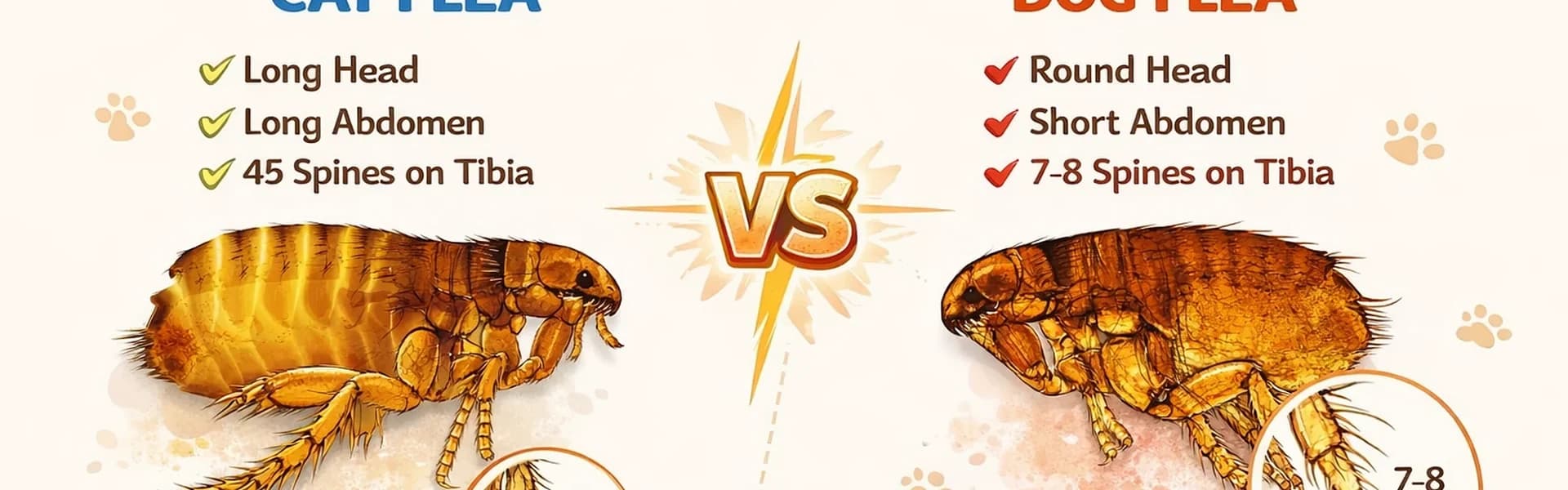
Not all fleas are the same. While most people assume they are dealing with a single type of flea, there are actually several species commonly found in UK homes, each with slightly different habits and preferences.
Identifying the species of flea infesting your property can help determine the most effective treatment approach. This guide covers the four most common flea species encountered by UK pest controllers and what makes each one unique.
Published: · Updated:
Cat Flea (Ctenocephalides felis)
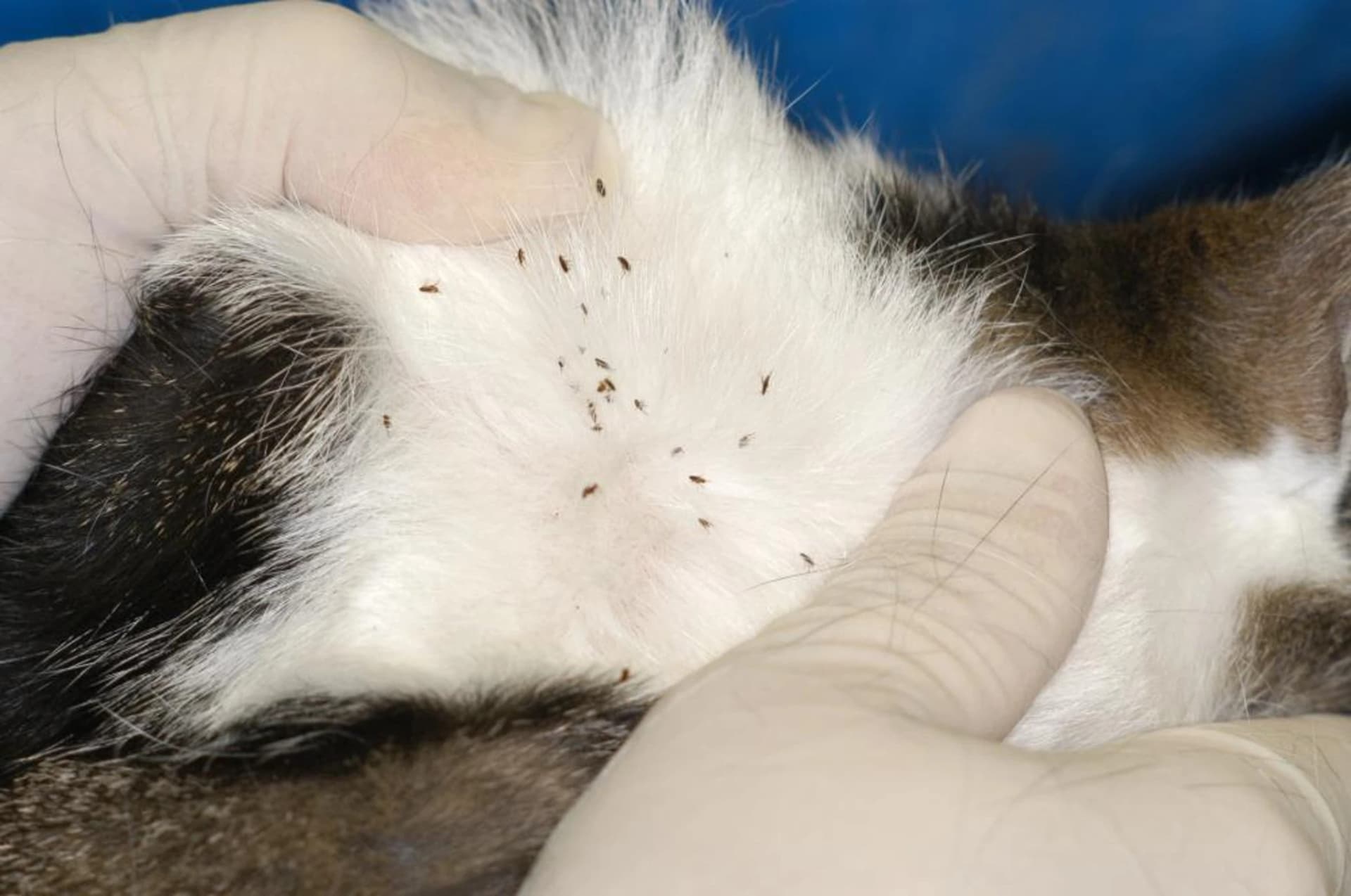
The cat flea is by far the most common flea species found in UK homes, accounting for approximately 75% of all flea infestations. Despite its name, the cat flea does not only infest cats — it readily feeds on dogs, humans, and other mammals.
Cat fleas are dark reddish-brown, about 2mm long, and have a laterally compressed body that allows them to move easily through animal fur. They can jump up to 150 times their own body length, making it easy for them to transfer between hosts and move around your home.
Female cat fleas must feed on blood before they can reproduce. Once fed, they begin laying eggs within 24 to 48 hours, producing an average of 25 to 50 eggs per day. These eggs fall off the host animal and accumulate in carpets, pet bedding, and soft furnishings.
Dog Flea (Ctenocephalides canis)
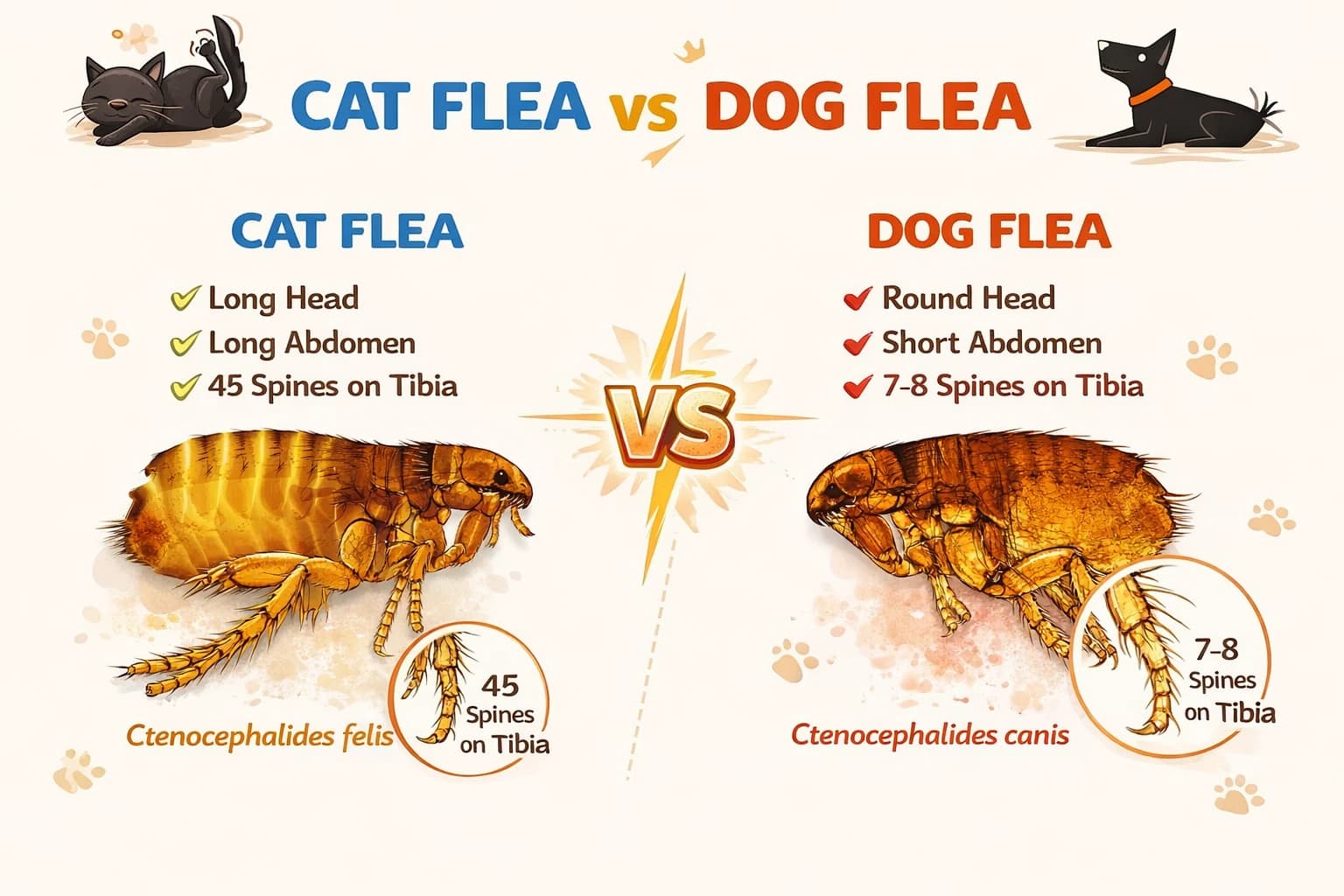
The dog flea looks almost identical to the cat flea and can only be reliably distinguished under a microscope by examining the shape of its head and the arrangement of its combs (ctenidia). In practice, the difference between cat and dog fleas has little impact on treatment.
Dog fleas are less common than cat fleas in the UK but are still regularly encountered, particularly in households with dogs that spend a lot of time outdoors or in contact with other dogs. They have a similar lifecycle and reproduce at a comparable rate.
Like cat fleas, dog fleas will feed on humans when their preferred host is not available. Dog flea bites typically appear on the lower legs and ankles, often in clusters of three or four.
Human Flea (Pulex irritans)
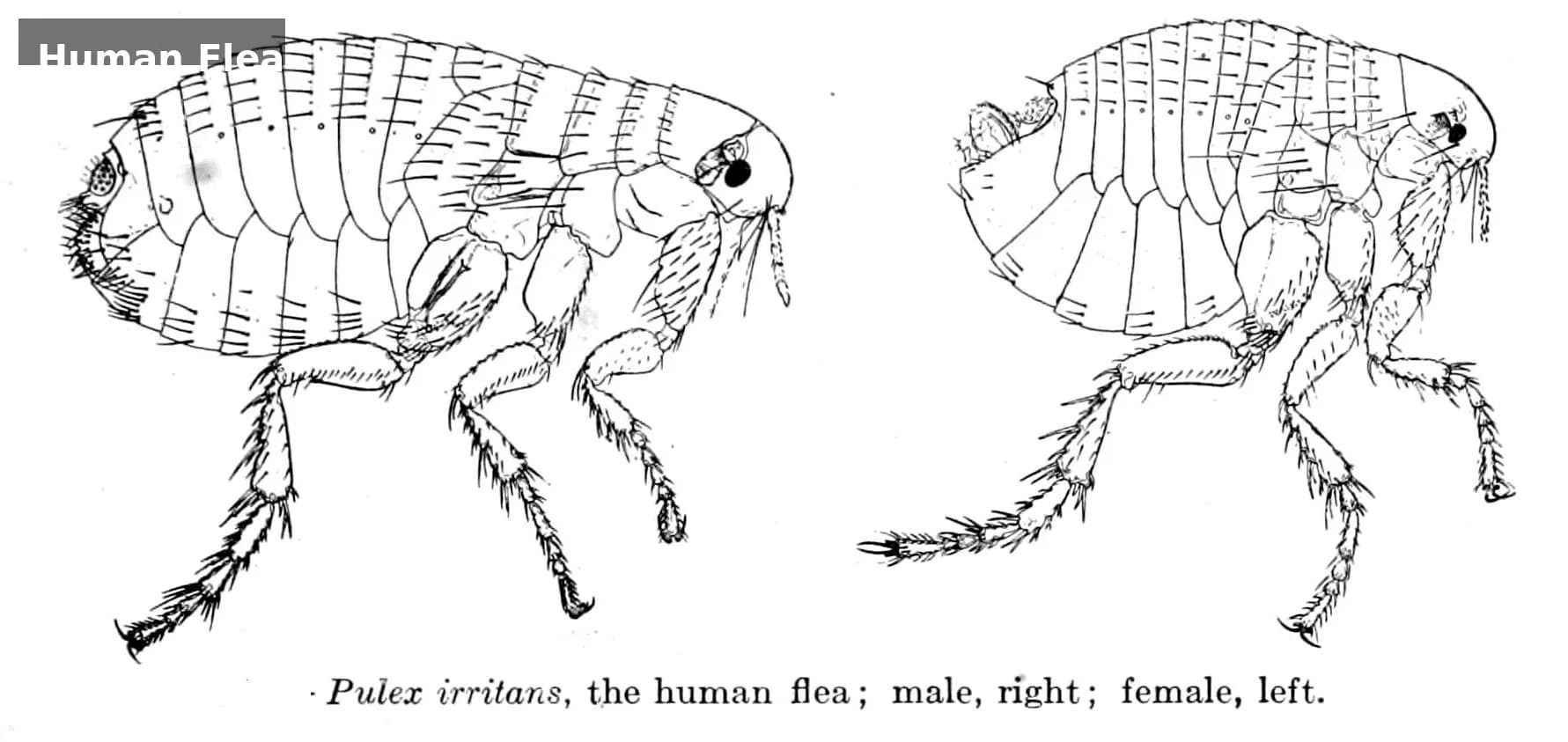
The human flea was once the most common flea in the UK but is now relatively rare in domestic settings due to improved hygiene and living standards. It is still occasionally encountered, particularly in rural areas or properties with poor sanitation.
Human fleas are larger than cat and dog fleas, measuring up to 3.5mm in length. They are reddish-brown and lack the pronounced head combs found on cat and dog fleas. They can infest a wide range of hosts, including pigs, badgers, and foxes.
While uncommon, human flea infestations can be particularly unpleasant because these fleas actively prefer human blood over other hosts. They tend to hide in bedding, mattress seams, and clothing rather than in carpets.
Need professional help with flea treatment? BuzzKill Pest Control offers fast, effective treatment with no call-out charge.
Bird Flea (Ceratophyllus gallinae)
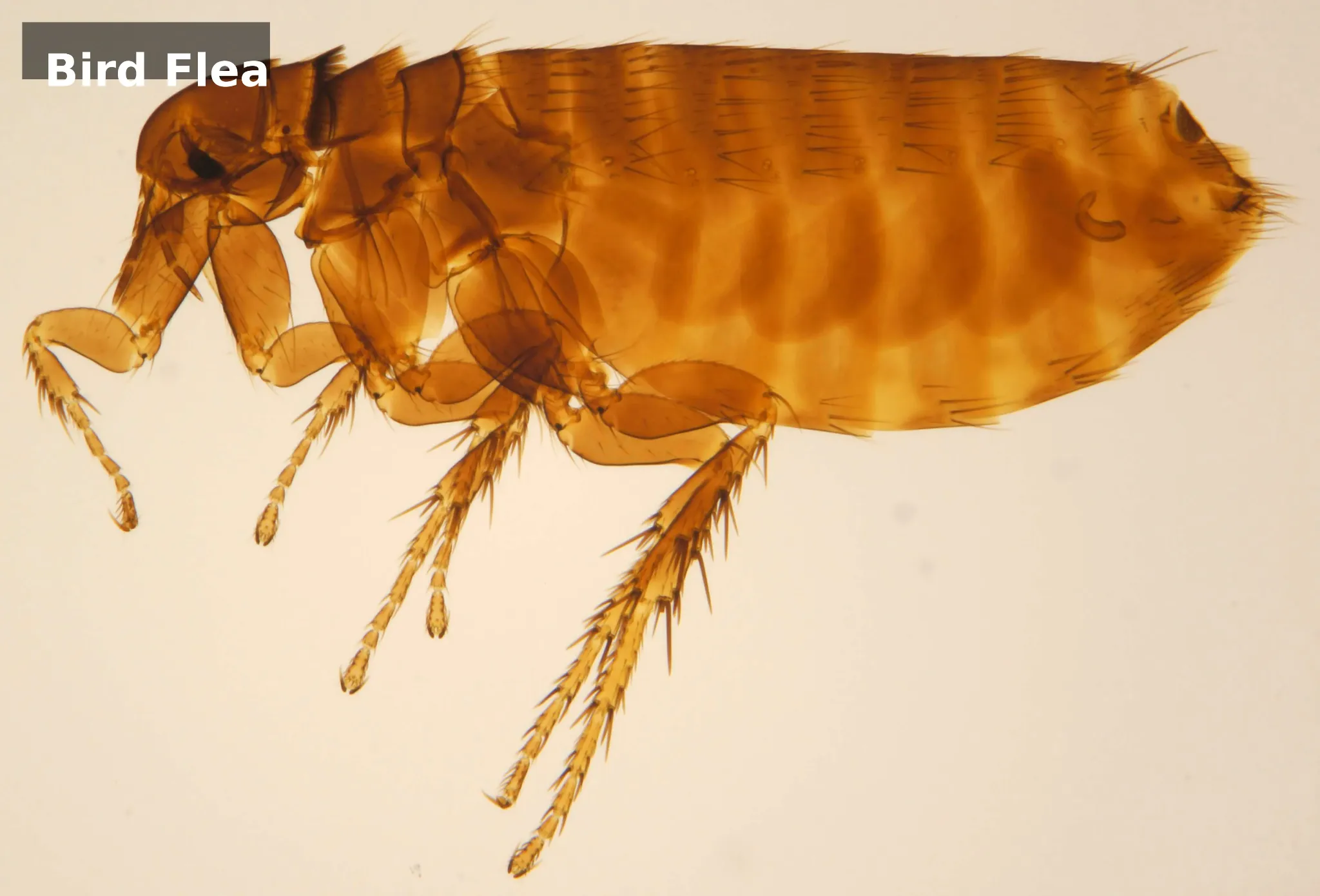
Bird fleas are most commonly associated with nesting birds such as pigeons, starlings, and house sparrows. They typically enter homes from bird nests in roof spaces, eaves, or on window ledges.
Bird fleas are seasonal pests in the UK, most commonly appearing in late spring and early summer when fledglings leave the nest. Without their preferred avian host, they migrate into the living areas of a property in search of an alternative blood meal.
Infestations of bird fleas often coincide with bird nest removal or when birds abandon a nest. If you are experiencing flea bites in upper-floor rooms near the roofline, bird fleas from a nearby nest are a likely cause. Treatment involves both flea control and removal of the bird nest once nesting season has ended.
Frequently Asked Questions
How can I tell which type of flea I have?
Without a microscope, it is difficult to identify flea species precisely. The location of bites and whether you have pets can offer clues. If you have cats or dogs, it is almost certainly a cat flea. If bites are concentrated in bedrooms near the roofline, bird fleas are likely. A professional pest controller can confirm the species.
Do all flea species bite humans?
Yes, all common UK flea species will bite humans, especially when their preferred host is unavailable. Cat and dog fleas are the most frequent biters of humans in domestic settings.
Does the flea species affect the treatment method?
The treatment for all common flea species is broadly similar — residual insecticide application combined with an insect growth regulator. However, bird flea infestations also require the source nest to be addressed to prevent reinfestation.
Can fleas from my neighbour's pet infest my home?
Yes. Fleas can enter your property via shared garden spaces, communal hallways in flats, or on visiting animals. Cat fleas in particular are highly mobile and can travel between properties.
Professional Flea Treatment Service
Learn more about our flea treatment service, pricing, treatment methods, and customer reviews.
View Flea Treatment Service