
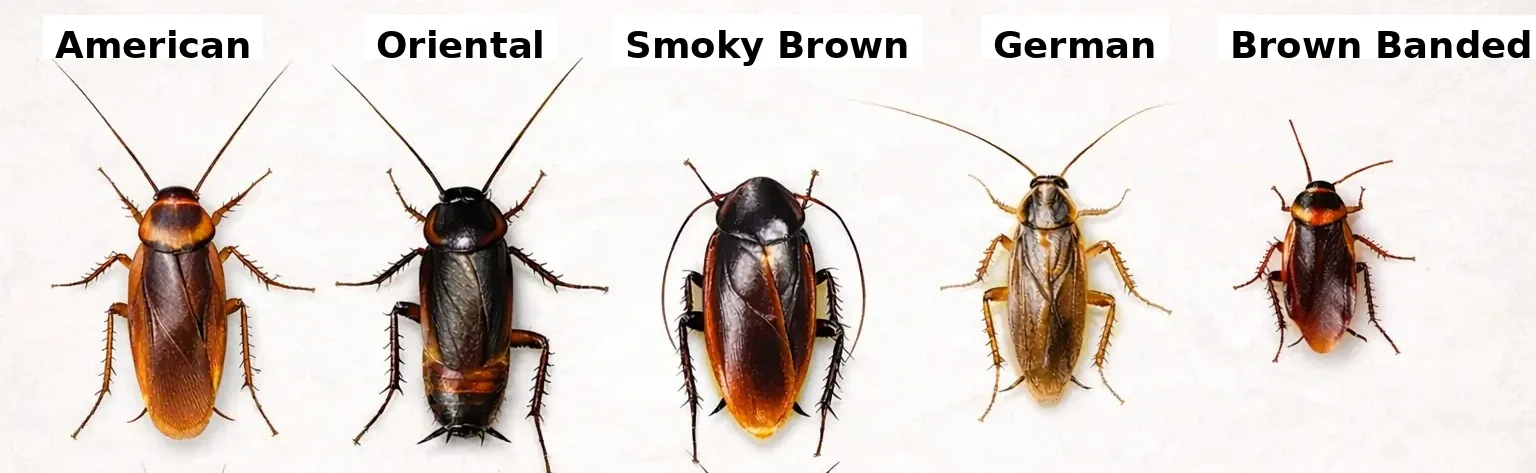
Cockroaches are among the most resilient and fast-breeding pests found in UK homes and businesses. Their populations grow exponentially — by the time you spot one cockroach scurrying across your kitchen floor, dozens more are typically hidden behind appliances, inside wall cavities, and along pipework. For restaurants and commercial kitchens, a cockroach sighting can trigger immediate enforcement action.
This guide covers everything you need to know about getting rid of cockroaches — from identifying which species you are dealing with and understanding why they are so difficult to eliminate, to DIY steps that can help and when it is time to call a professional cockroach control service.
Published:
Why Are Cockroaches So Hard to Get Rid Of?
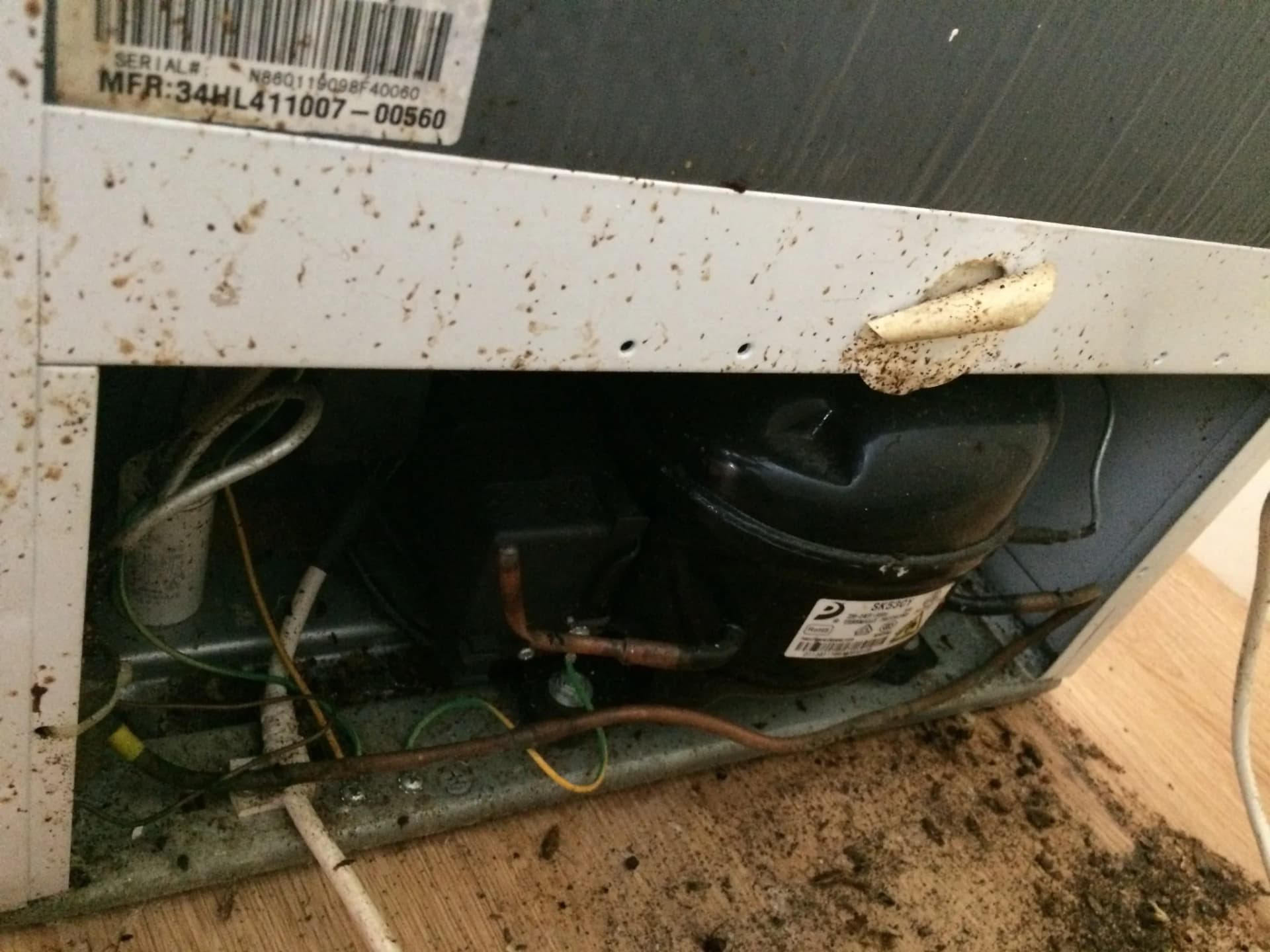
Cockroaches are nocturnal insects that spend the day hiding in warm, dark, humid spaces close to food and water. Kitchens and bathrooms are their primary habitats — they shelter behind appliances, inside wall cavities, under sinks, and along pipework runs.
The two main species in UK homes — German and Oriental cockroaches — require different treatment approaches. Identifying which species you have determines where to focus treatment. Our cockroach species identification guide explains the key differences.
Cockroaches leave chemical trails in their droppings that attract other cockroaches to the same harbourage points. This aggregation behaviour means infestations concentrate rapidly in specific areas, making targeted treatment essential. Their flattened bodies allow them to squeeze through gaps as narrow as 1.5mm, making it virtually impossible to keep them out by exclusion alone.
DIY Cockroach Control Methods
Start with a deep clean of your kitchen. Pull out the fridge, oven, dishwasher, and washing machine and clean behind and underneath them thoroughly. Cockroaches feed on grease, food residue, and even cardboard, so eliminating these food sources is critical.
Seal all food in airtight containers — including pet food, cereals, and flour. Never leave dirty dishes overnight. Wipe down all kitchen surfaces before bed and empty bins regularly. Reducing available food forces cockroaches to take bait more readily.
Over-the-counter cockroach gel baits are the most effective DIY option. Apply small dots of gel in hidden spots — behind the fridge motor, under the oven lip, inside cupboard hinges, and where skirting boards meet the floor. Retail gels use similar active ingredients to professional products but at lower concentrations, so results take longer.
Sticky traps placed along walls and behind appliances help monitor activity levels and identify harbourage points. Check them daily to gauge where cockroach traffic is heaviest — this tells you where to concentrate your treatment efforts.
When to Call a Professional
DIY methods can contain a very early or mild cockroach problem, but professional treatment is almost always necessary for established infestations. If you are seeing cockroaches during the day, finding them in multiple rooms, or the problem persists despite DIY efforts, it is time to call a pest controller.
Professional pest controllers use commercial-grade gel baits that are significantly more potent than retail products. They also have the experience to locate hidden harbourage points that homeowners typically miss — inside electrical sockets, behind tiled splashbacks, within boiler cupboards, and along shared pipework in flats.
In multi-occupancy buildings such as flats and HMOs, cockroaches travel between units through shared wall voids, pipework, and drainage systems. Treatment of a single flat often fails because cockroaches re-enter from untreated neighbouring units. A professional can coordinate a building-wide approach.
Need professional help with cockroach control? BuzzKill Pest Control offers fast, effective treatment with no call-out charge.
Professional Cockroach Treatment Process
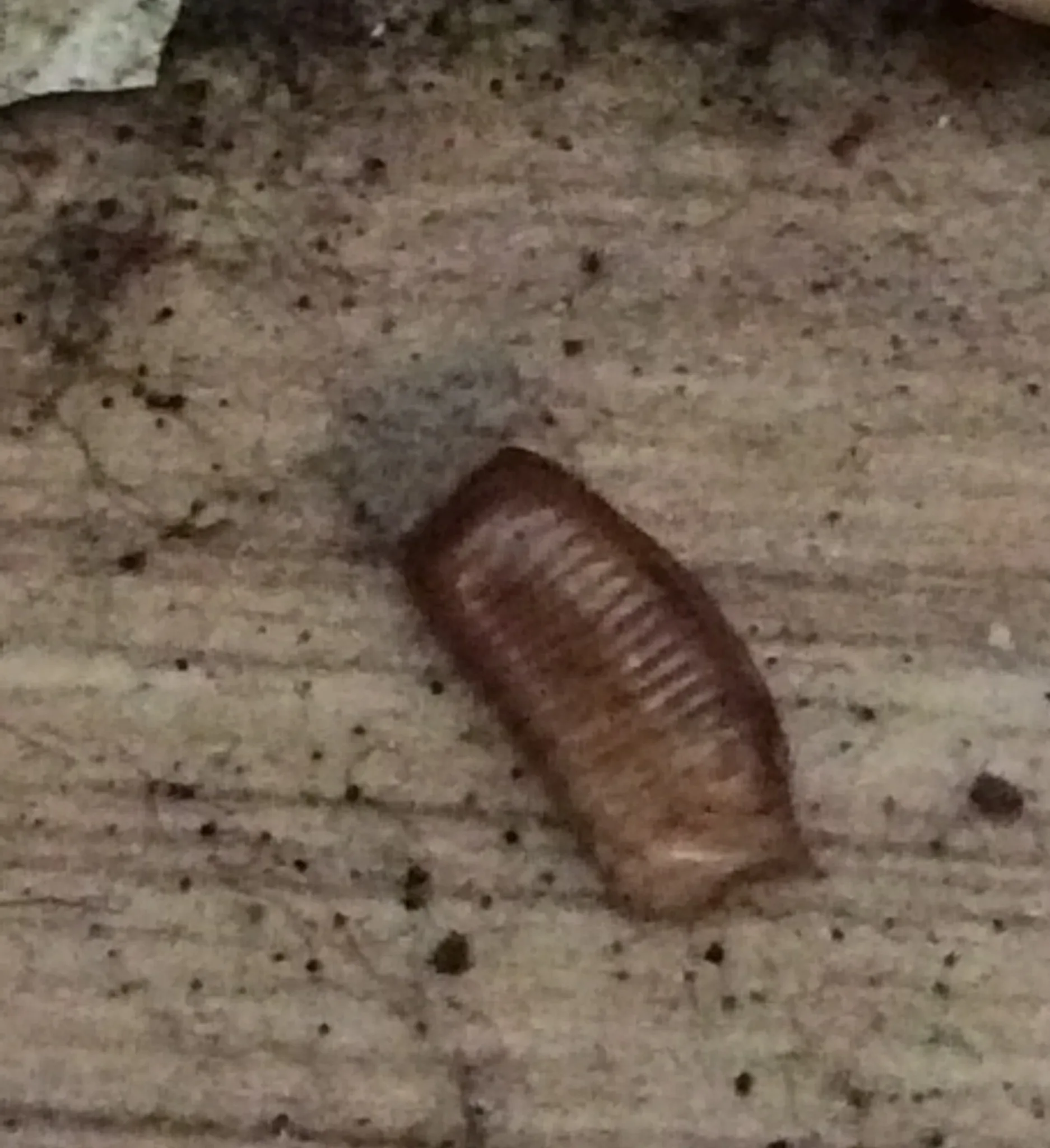
Professional treatment follows a structured approach: initial inspection to identify the species and map harbourage locations, targeted gel bait and spray application, and scheduled follow-up visits to catch newly hatched nymphs. For a detailed breakdown of each step, see our cockroach control service page.
The key advantage of professional treatment over DIY is access to commercial-grade products with stronger active ingredients and longer residual activity. Professional gel baits achieve a cascade effect — killing not just the cockroach that consumes the bait, but others in the colony that come into contact with it.
Most infestations require two to three visits because cockroach egg cases are naturally resistant to insecticides. Eggs laid before the first treatment hatch 2 to 4 weeks later, and the follow-up visit targets these newly emerged nymphs before they can breed.
Aftercare and Prevention After Cockroach Treatment
The most important aftercare rule is to leave the gel bait undisturbed. Cleaning treated areas or applying DIY sprays over professional bait can undermine the entire treatment. Your technician will explain exactly which surfaces to avoid cleaning and for how long.
You may notice increased cockroach activity in the first 48 hours after treatment. This is a positive sign — the bait is drawing cockroaches out of hiding. Activity should decline steadily over the following days as the bait takes effect throughout the colony.
For detailed room-by-room aftercare instructions, see our cockroach control for homes guide. For long-term strategies to stop cockroaches returning, read our preventing cockroach infestations article. If you manage commercial premises, our cockroach control for businesses guide covers your legal obligations. Before trying DIY methods, read our honest assessment of cockroach home remedies.
Frequently Asked Questions
Can I stay in my home during cockroach treatment?
Yes, gel bait treatment is non-disruptive and does not require you to vacate. The bait is applied in concealed locations and is safe for households with children and pets.
What time of day are cockroaches most active?
Cockroaches are nocturnal and most active between midnight and dawn. If you see them during daylight hours, it usually indicates severe overcrowding in their harbourage.
Can cockroaches survive without food?
German cockroaches can survive up to 2 weeks without food but only about 1 week without water. This is why they are always found near moisture sources like kitchen sinks, bathrooms, and leaking pipes.
Do I need to clean before cockroach treatment?
Do not deep clean immediately before treatment. Cleaning removes the chemical trails cockroaches follow, making it harder to predict their routes. Your technician will advise on cleaning after the bait has been placed.
How many treatment visits will I need for cockroaches?
Most infestations require 2 to 3 visits spaced 2 to 3 weeks apart. The follow-up visits target nymphs hatching from egg cases that were present during the initial treatment.
Professional Cockroach Control Service
Learn more about our cockroach control service, pricing, treatment methods, and customer reviews.
View Cockroach Control Service