
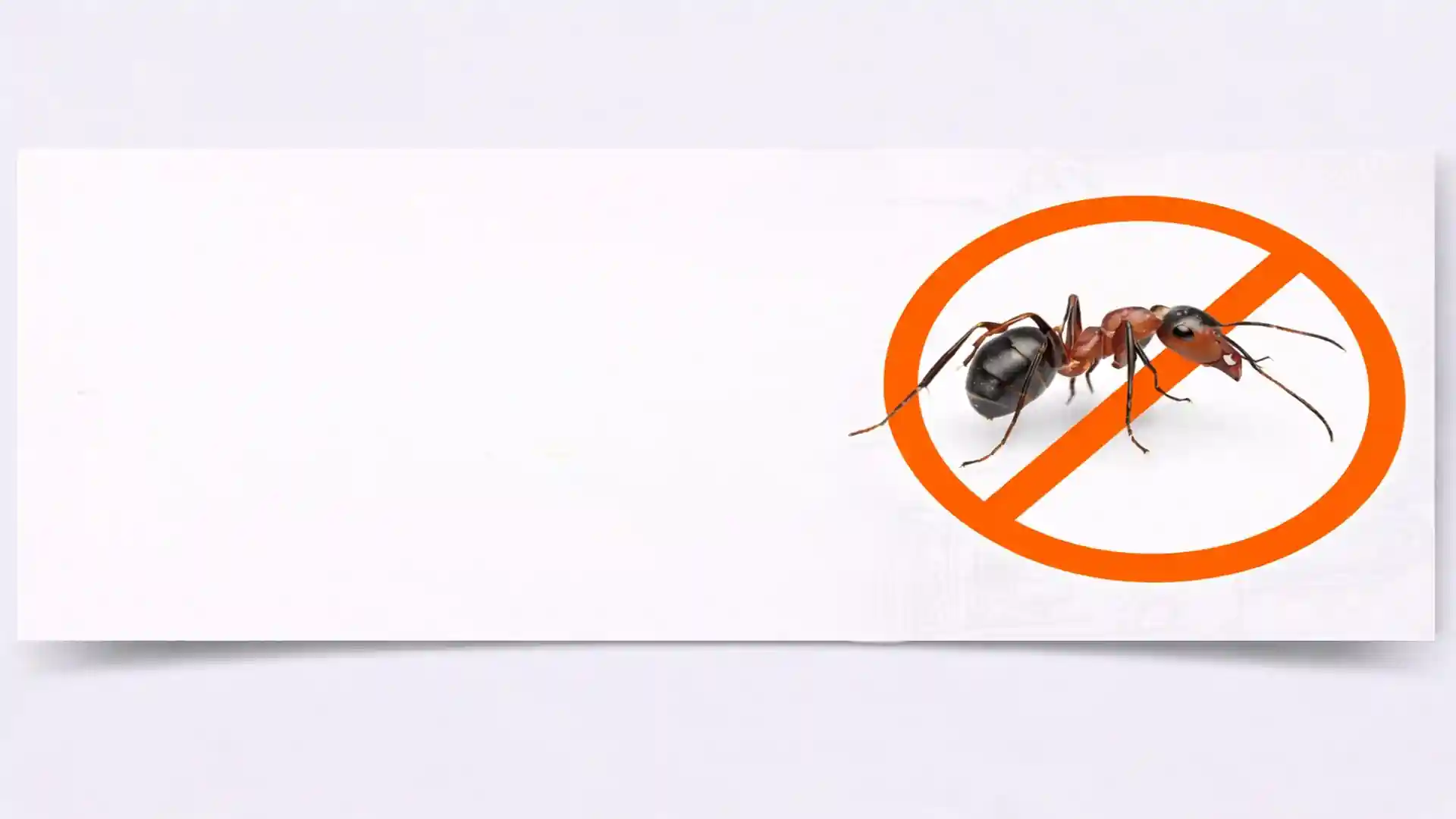
Ant Control in Bexleyheath
Nest Targeting & Colony Eradication From £98
Professional Ant Control & Nest Treatment in Bexleyheath
Ants can quickly become a major nuisance in Bexleyheath, marching into kitchens and pantries in search of sugary foods and water. While garden ants are common, Pharaoh ants and Ghost ants require highly specialised treatments to eradicate.
At BuzzKill Pest Control, we don't just treat the ants you see; we target the source. Our local experts in Bexleyheath use professional-grade insecticidal gels and sprays to eliminate the entire colony, ensuring the infestation doesn't return. If ants are affecting your business premises, explore our commercial pest control services.




Get Rid of Ants
Professional ant treatment from £98.
Call 0203 468 1999 for a free ant control quote.
How much does ant treatment cost?
| Garden ant treatment (spray + bait) | from £98 |
| Pharaoh ant specialist treatment | from £150 |
| Follow-up visit | from £65 |
| Outdoor nest treatment | from £85 |
Common Ant Species in the UK
Over 50 ant species are found in the UK. These are the ones most likely to invade your home or business.
- Black garden ant (Lasius niger) — 3 to 5mm, dark brown to black. The most common UK ant. Nests outdoors in soil, under paving, and in wall cavities. Forages indoors for sweet foods. Colonies average around 7,000 workers.
- Pharaoh ant (Monomorium pharaonis) — 2mm, yellow-brown. A tropical species that survives year-round in heated buildings. Nests inside wall cavities, behind tiles, and in pipework voids. Cannot be treated with sprays — requires specialist gel baiting.
- Ghost ant (Tapinoma melanocephalum) — 1.5mm, dark head with pale translucent body. Found in warm, humid environments — kitchens and bathrooms. Very small and easily overlooked until numbers are high.
- Red ant (Myrmica rubra) — 4 to 6mm, reddish-brown. Nests in soil and under stones. Can sting, causing a sharp burning sensation. More aggressive than black garden ants.
- Flying ants — not a separate species. These are reproductive males and new queens from black garden ant colonies. They swarm during hot, humid days in summer (June to September) to mate and establish new colonies.
Signs of an Ant Infestation
Ants leave clear evidence when they have found a food source inside your property.
- Visible ant trails — lines of ants following the same path between the nest and a food source. Ants lay pheromone trails for others to follow.
- Ants in kitchen cupboards, drawers, or around bins — foraging workers searching for sweet or greasy foods.
- Small piles of fine soil or sand near walls, paving, or in cracks in brickwork — excavated material from nest construction.
- Clusters of ants around pet food bowls, compost bins, or recycling areas.
- Flying ant swarms near windows or doors in summer — indicates a mature colony nearby.
Why DIY Ant Treatment Fails
Most shop-bought products only address the visible symptom — not the colony.
- Aerosol sprays kill foraging ants on contact but do not reach the nest or the queen. The colony replaces dead workers within days.
- Ant powder scattered across trails disrupts pheromone routes temporarily, but ants simply find alternative paths to the same food source.
- Boiling water poured on a nest kills surface ants but rarely penetrates deep enough to reach the queen and brood chambers.
- Pharaoh ants cannot be treated with sprays or powders at all — these cause the colony to split (bud) into multiple new colonies, making the problem far worse.
- A single ant can carry 50 times its own body weight. An individual ant you see is one of thousands — the nest is the problem, not the trail.
How Our Ant Treatment Works
We target the colony, not just the ants you can see.
- Full property survey to identify the ant species, locate the nest, and assess the scale of the infestation.
- Professional gel bait applied along ant trails, near entry points, and close to the nest. Foraging ants carry the bait back to the colony and share it — including with the queen.
- Residual insecticide spray applied around entry points, skirting boards, window frames, and door thresholds to create a barrier that kills ants crossing it for several weeks.
- Insecticidal dust injected into wall cavities, cracks, and voids where ants are nesting inside the building structure.
- Pharaoh ant infestations are treated exclusively with gel bait — never sprays — to prevent colony budding.
- Colony elimination typically takes 2 to 6 weeks depending on the species and colony size. A follow-up visit checks progress and applies additional treatment if needed.
Ant Control
More information on ant problems
Find the Area Near You
Search for treatment in your borough
Preventing Ants From Coming Back
After treatment, these measures stop new colonies from targeting your property.
- Wipe up food spills and crumbs immediately — ants lay pheromone trails that attract hundreds more within hours.
- Store sugar, honey, cereal, and pet food in sealed airtight containers. Ants can navigate through folded cardboard and loose lids.
- Keep bins securely closed and clean the inside regularly to remove sticky residue that attracts foragers.
- Seal cracks and gaps around windows, doors, and pipework with silicone caulk. Ants exploit gaps as small as 1mm.
- Remove standing water from saucers, drip trays, and blocked gutters — ants need water as well as food.
- Trim plants and shrubs that touch your walls — ants use vegetation as a bridge to reach entry points above ground level.
Our Happy Ant Control Customers
"Had a massive ant trail in our kitchen that DIY sprays couldn't fix. BuzzKill found the nest under our patio and solved it same-day."
"Brilliant service. The technician explained exactly why the ants were coming inside and gave us great advice to prevent it happening again."
"Highly recommend. They dealt with a very stubborn Pharaoh ant infestation in our apartment block discreetly and efficiently."
Ant Control Guides & Articles
Learn more about ant control with our in-depth guides covering identification, prevention, and treatment.
Frequently Asked Questions
Why do ants keep coming back after I spray them?
Shop-bought sprays only kill the ants you can see — the foragers. The queen remains safely in the nest producing hundreds of new workers daily. Unless the queen is killed, the colony survives and the trail reappears within days. Professional gel baits are carried back to the nest and shared with the queen, destroying the entire colony.
What are flying ants?
Flying ants are reproductive males and new queens that emerge from established colonies during warm, humid weather — typically between June and September. They swarm to mate and start new colonies. A flying ant swarm is a sign of a mature colony nearby. The swarm itself is short-lived (usually one day) but indicates an established nest.
Are ants a health risk?
Yes. Ants travel through drains, soil, and waste before walking across your kitchen surfaces and food. They carry bacteria, pathogens, and parasites on their bodies. Pharaoh ants are the most serious health risk as they are attracted to wounds and sterile supplies in hospitals. Like cockroaches, ants contaminate food preparation surfaces and stored food.
How do I know which type of ant I have?
Black garden ants are 3 to 5mm long and dark brown to black — the most common species in UK homes. Pharaoh ants are tiny (2mm), yellow-brown, and found indoors year-round, often in heated buildings. Ghost ants are very small (1.5mm) with a dark head and pale body. Species identification affects treatment — Pharaoh ants cannot be treated with sprays.
How long does ant treatment take to work?
Professional gel bait treatment typically eliminates the colony within 2 to 6 weeks. The bait needs time to be carried back to the nest and shared through the colony to reach the queen. Spray treatments provide faster knockdown of visible ants but must be combined with baiting for permanent results.
How much does ant treatment cost?
Ant control at BuzzKill starts from £98 for standard black garden ants. Pharaoh ant infestations require specialist treatment and may cost more depending on the extent of the infestation. We provide free quotes with no call-out charge.
Related Pest Services
Other common pest problems we treat
Ant Control Near Bexleyheath
Ant Control services across London & Essex
Can't find your area?
0203 468 1999