
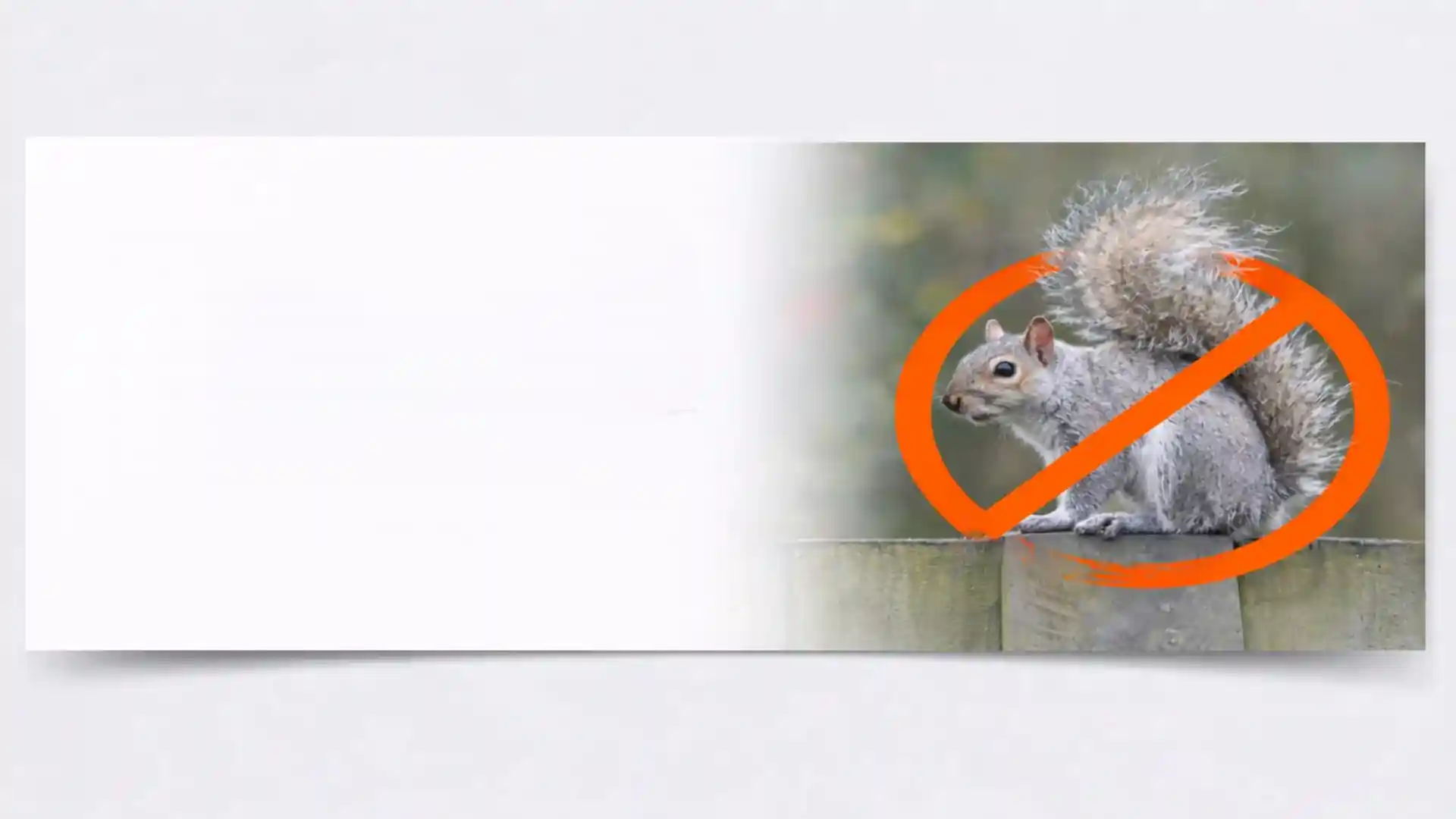
Squirrel Pest Control in Becontree
Grey Squirrel Trapping & Loft Proofing Specialists
Professional Squirrel Removal & Proofing in Becontree
Grey squirrels can cause more damage than rats once they gain access to your loft space in Becontree. They are incredibly destructive gnawers and will quickly destroy insulation and wiring.
BuzzKill Pest Control provides rapid squirrel removal in Becontree. We use specialized trapping techniques and provide detailed proofing advice so that once the squirrels are out, a loft or roofing professional can seal the entry points to stop them getting back in. Squirrels cause similar damage to rats in loft spaces — if you're unsure which pest you have, read our squirrels vs rats comparison guide.




Get Rid of Squirrels
Prices from £130 for professional trapping and removal.
To get rid of squirrels from your loft or property call 0203 468 1999
How much does squirrel removal cost?
| Squirrel trapping (up to 5 days) | from £130 |
| Extended trapping period | from £65 |
| Proofing report (entry point assessment) | included |
| Follow-up inspection | included |
Our Treatment Guarantee
All squirrel removal jobs include an initial trapping period and a follow-up inspection at no extra charge. The follow-up confirms that all squirrels have been removed and checks whether proofing work has been completed correctly. Any additional trapping beyond the initial period will be quoted separately.
- Trapping uses professional-grade cage traps placed along confirmed squirrel routes in the loft space.
- All trapped grey squirrels are humanely dispatched in accordance with UK law — it is illegal to release them.
- Full proofing report provided after the initial survey — you will need a loft or roofing professional to carry out the sealing work.
- Commercial premises and multi-occupancy buildings are assessed individually and may require a tailored approach.
Why DIY Squirrel Removal Often Fails
The most common DIY mistake is blocking the entry hole before the squirrels have been removed. A squirrel trapped inside your loft will panic and chew through plasterboard ceilings, electrical cables, and water pipes to find a way out — causing far more damage than the original problem. Never seal an entry point until you are certain all squirrels have been removed.
Shop-bought ultrasonic deterrents and mothballs are widely sold as squirrel repellents but have no proven effectiveness. Squirrels quickly habituate to ultrasonic noise, and mothballs lose their scent within days in a well-ventilated loft space. These products waste time and money while the damage continues.
Even if you successfully trap one squirrel, others will move into the same territory if the entry points are not professionally sealed by a loft or roofing specialist. Squirrels are territorial, and an empty nesting site with easy access will attract new occupants within days. Without proper proofing using galvanised steel mesh and plates, you will be trapping squirrels indefinitely.
How Our Squirrel Removal Works
Our technician will carry out a full loft and roof inspection to identify all entry points, assess the level of activity, and determine how many squirrels are likely present. Signs including droppings, gnaw marks, nesting material, and damaged insulation help us build a clear picture of the infestation.
Professional cage traps are placed strategically along confirmed squirrel routes — typically near entry points, along joists, and close to nesting areas. Traps are checked regularly over a 5 to 10 day period. All trapped grey squirrels are humanely dispatched in compliance with UK legislation.
Once we are confident that all squirrels have been removed, we provide a detailed proofing report identifying every entry point that needs to be sealed. We recommend using heavy-gauge galvanised steel mesh, steel plates, and cement to block gaps under eaves, around chimneys, along soffits, and at ventilation openings. You will need a loft or roofing professional to carry out the proofing work — we can advise on exactly what needs to be done so they get it right first time.
A follow-up inspection 2 to 4 weeks after proofing confirms that no further squirrel activity is present and that all sealed entry points are holding.
Squirrel Control
More information on squirrel problems
Find the Area Near You
Search for treatment in your borough
Before Your Treatment — What You Need to Do
Preparing your property before the technician arrives helps us carry out the work more efficiently and increases the chance of catching all squirrels quickly.
- Do not block any holes, gaps, or entry points before the visit — trapping must happen before proofing, or squirrels will be sealed inside and cause severe damage trying to escape.
- Clear a path to your loft hatch and make sure the loft is accessible. Move any stored items away from the eaves and edges where traps will need to be placed.
- Make a note of when you hear noises and where they seem to come from — this helps our technician identify the most active routes and place traps in the optimal positions.
- If you have trees with branches overhanging or touching the roof, note these for the technician — they may need to be trimmed back as part of the long-term prevention plan.
After Treatment — Preventing Squirrels From Returning
Removing the squirrels is only half the job. Without addressing the access routes and conditions that attracted them, new squirrels will move into the same space. These measures are essential for long-term protection.
- Do not remove or tamper with any proofing materials installed by your loft or roofing professional. Galvanised mesh and steel plates are specifically chosen because squirrels cannot chew through them — replacing them with chicken wire or plastic will fail.
- Trim all tree branches so they are at least 2 metres from the roof, walls, and guttering. Squirrels can jump up to 2.5 metres horizontally, so generous clearance is essential.
- Do not store food, bird seed, or animal feed in the loft or garage in accessible containers. Use heavy-duty sealed containers that rodents cannot chew through.
- Inspect your roof, soffits, and eaves at least twice a year — in spring and autumn — for new gaps or damage. Squirrels are persistent and will exploit any new weakness.
- If you feed birds, use squirrel-proof feeders and clean up spilled seed regularly. Ground-feeding attracts squirrels to your garden and encourages them to explore your property for nesting sites.
- Check your loft insulation annually for signs of new damage. If squirrels have previously nested in your loft, the scent can attract others even after proofing, so vigilance is important.
Our Happy Squirrel Pest Control Customers
"The noise in the attic was keeping us awake. BuzzKill caught the squirrels and blocked the hole in the eaves. No more noise!"
"Very professional and fast. They found the exact spot the squirrels were using to climb the wall and gave us a great proofing solution."
"Excellent service. They were very thorough and made sure the loft was completely clear before they sealed it up. Highly recommended."
Squirrel Pest Control Guides & Articles
Learn more about squirrel pest control with our in-depth guides covering identification, prevention, and treatment.
Frequently Asked Questions
How do I know if I have squirrels in my loft?
The most obvious sign is loud scratching, scrabbling, and thumping noises during the daytime — especially early morning and late afternoon. Unlike rats and mice, squirrels are diurnal (active during daylight hours). You may also find shredded insulation, gnawed woodwork, and droppings in the loft space. Squirrel droppings are similar in size to rat droppings but are rounder and lighter in colour.
Are grey squirrels protected?
Grey squirrels are classified as an invasive non-native species in the UK and are not protected. It is legal to trap and humanely dispatch grey squirrels. However, it is illegal to release a trapped grey squirrel back into the wild under the Invasive Alien Species (Enforcement and Permitting) Order 2019. Red squirrels are fully protected — but are extremely rare in London and Essex.
Can I remove squirrels myself?
While it is legal to trap grey squirrels, DIY removal is rarely effective. Squirrels are agile and intelligent — they will avoid poorly placed traps, and if you block the entry hole while they are still inside, they will chew through your ceiling to escape. Professional trapping followed by proofing is the only reliable approach.
How do squirrels get into my loft?
Squirrels are excellent climbers and jumpers. They typically access roofs by climbing walls, drainpipes, or overhanging tree branches. Once on the roof, they enter through gaps under eaves, loose or damaged roof tiles, lead flashing, soffit boards, and ventilation openings. A gap as small as 50mm is enough for a squirrel to squeeze through.
What damage can squirrels cause?
Squirrels gnaw constantly to keep their teeth worn down. In lofts, they chew through electrical cables (creating a serious fire risk), water pipes, wooden beams, and insulation. They also strip insulation to build nests (dreys), reducing your home's energy efficiency. The structural damage is similar to that caused by rats in loft spaces and can run into thousands of pounds if left unchecked.
How long does squirrel removal take?
Professional squirrel trapping typically takes 5 to 10 days depending on how many squirrels are present. Once all squirrels have been removed, we provide a detailed proofing report so a loft or roofing professional can seal every entry point. We recommend a follow-up inspection 2 to 4 weeks later to confirm no further activity.
Will squirrels come back after treatment?
Not if the proofing is done correctly. Squirrels are territorial and other squirrels will attempt to move into the same space if entry points are left open. We provide a full proofing report — you will need a loft or roofing professional to carry out the sealing work using galvanised steel mesh and plates. We also advise trimming overhanging tree branches to remove access routes to the roof.
How much does squirrel removal cost?
Professional squirrel removal at BuzzKill starts from £130 for trapping, which includes a detailed proofing report and follow-up inspection. You will need a loft or roofing professional to carry out the proofing work based on our recommendations. We provide free quotes with no call-out charge.
Related Pest Services
Other common pest problems we treat
Squirrel Pest Control Near Becontree
Squirrel Pest Control services across London & Essex
Can't find your area?
0203 468 1999