
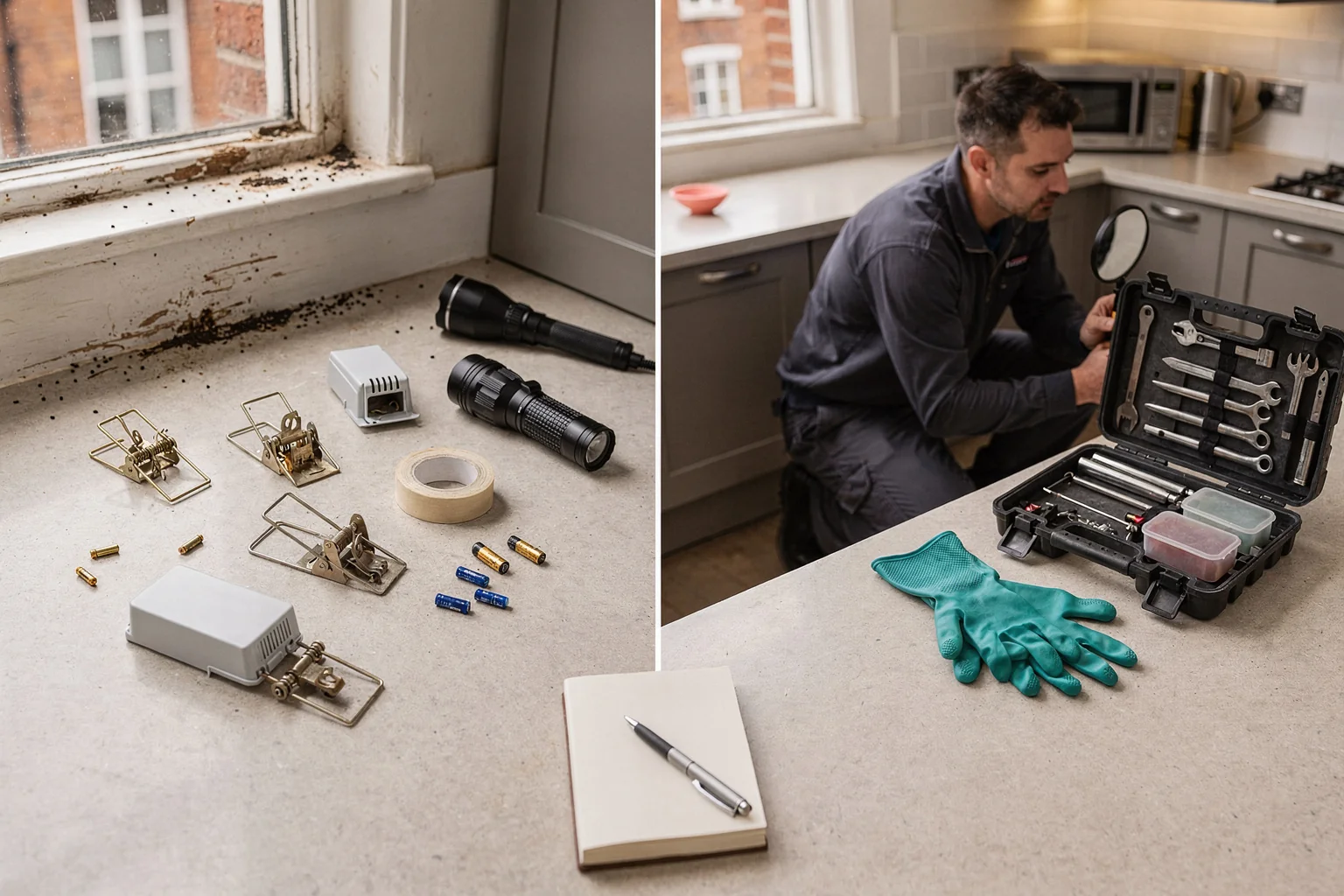
When Aisha found gnaw marks on the skirting boards of her ground-floor flat near London Fields, she did what most Hackney residents do first: she bought four snap traps from the hardware shop on Mare Street and set them along the kitchen wall. Three weeks later, she had caught two rats, heard more scurrying in the ceiling void, and discovered a nest of shredded insulation behind the boiler. The traps had solved nothing except her immediate hope that the problem was smaller than it looked.
This is the hidden cost of the pro-versus-DIY question. It is not really about whether you can set a trap. It is about whether trapping alone addresses why rats chose your property, how many are already inside, and what happens when the ones you miss reproduce in the cavities you cannot reach. In Hackney, where dense Victorian terraces, canal-side developments, and rapid construction create unusually mobile rat populations, that question matters more than in almost any other London borough.
Why Hackney Rats Need a Different Kind of Answer
Hackney's housing stock creates specific problems for rat control. Victorian and Edwardian properties share continuous wall cavities, underfloor voids, and broken sewer connections that rats navigate as easily as we use the Overground. New developments along the Lea Navigation and Hackney Wick displace established colonies, pushing rats into neighbouring gardens and basements. Waste infrastructure varies street by street: some areas have sealed bin stores, others have bags left overnight on narrow pavements.
This means two identical-looking infestations can have completely different sources. A rat problem in a Clapton basement might trace back to a fractured drain under the pavement. A Dalston terrace might be seeing rats because a demolished warehouse three doors down removed a long-standing food source, and the colony is now exploring new territory. A trap in the kitchen catches the symptom. It rarely finds the cause.
For landlords, there is an additional layer. The Prevention of Damage by Pests Act 1949 places a duty on local authorities to ensure premises are kept free from rats, but in practice, enforcement falls to property owners. A tenant reporting rats can escalate to the council's environmental health team, and if the landlord's response is inadequate, that can trigger statutory notices. Professional documentation of treatment and prevention becomes evidence of compliance.
What Professional Rat Control Actually Involves
A qualified technician does not simply lay better traps. The process starts with a survey: identifying entry points, harbourage areas, food sources, and the scale of the colony. At BuzzKill Pest Control, our Hackney rat control service includes this inspection as standard, with same-day appointments available for active infestations where rats pose an immediate health or safety risk.
The survey matters because it determines method. A small incursion in a modern flat with obvious entry points might need sealing and limited trapping. A mature colony in a Victorian terrace with broken drains requires a different approach: possibly drain surveys, baiting programmes, and coordinated treatment across multiple affected properties. Rats are neophobic — they avoid new objects in their environment — so trap placement requires understanding their established runways, not just guesswork.
Professional treatment also accounts for non-target species. Hackney has significant fox, squirrel, and bird populations. Bait stations must be tamper-resistant and positioned to exclude pets and children. Rodenticides used incorrectly can kill secondary species: a poisoned rat eaten by a fox or domestic cat transfers the toxin up the food chain. Our technicians are RSPH Level 2 qualified and BASIS PROMPT certified, which means they are trained in product selection, dosage, and environmental risk assessment.
Follow-up is where professional and DIY approaches diverge most sharply. A single trap-and-kill session leaves pheromone trails, scent markings, and possibly dead rats in inaccessible voids. Professionals return to remove carcasses, check bait uptake, identify new activity, and adjust the programme. Our rat prevention services then address the structural and environmental factors that invited the infestation: proofing gaps, advising on waste storage, and monitoring for recurrence.
What DIY Rat Control Can Realistically Achieve
DIY is not automatically the wrong choice. For a single rat in a garden shed with no structural access to the house, a well-placed snap trap or live trap can solve the problem in 24-48 hours. The key constraints are: you know the scale, you can see the entry points, you can check traps daily, and you can dispose of bodies safely.
Where DIY struggles is scale and access. A homeowner in a Hackney maisonette cannot inspect the shared wall cavity where rats travel between flats. They cannot camera-survey drains. They often misidentify the extent of the problem: seeing one rat at night might mean three or four, or it might mean twenty, depending on whether you are seeing exploratory juveniles or established adults.
DIY costs are deceptive. A £15 pack of traps and £8 of bait seems cheap against a professional call-out. But factor in repeat purchases when the first round fails, the cost of repairing gnawed wiring or pipe insulation, and the potential health risks of handling dead rats or contaminated surfaces. Leptospirosis, spread through rat urine, is rare but serious. Salmonella and E. coli contamination of food preparation areas is more common and can affect entire households.
For families with young children or pets, DIY carries additional risk. Curious toddlers investigate bait stations. Cats bring poisoned but not yet dead rats indoors. Dogs chew plastic traps. These are not edge cases: they are regular occurrences that pest controllers see weekly.
Timing, Disruption, and When Urgency Changes the Calculation
Response time is where the comparison becomes practical. A restaurant in Broadway Market with a rat sighting during service hours cannot wait three days for a trap to work. They need immediate containment, documentation for environmental health, and a treatment plan that keeps the premises operational. Our emergency pest control Hackney team responds 24/7 to these situations, with treatments designed to minimise business disruption.
For homeowners, the urgency calculation is different but no less real. Rats reproduce rapidly: a single pair can produce 2,000 descendants in a year under ideal conditions. A problem that seems manageable in January can be overwhelming by March. The longer you wait, the more extensive (and expensive) treatment becomes.
DIY also demands time you may not have. Daily trap checks, safe disposal, cleaning contaminated areas, and monitoring for new activity can consume an hour or more each day for weeks. For working parents, landlords managing multiple properties, or anyone with limited mobility, this is a significant hidden cost.
Cost Structures: Looking Beyond the First Price
Professional rat control in Hackney typically ranges from £120-£250 for an initial treatment and survey, with follow-up visits at reduced rates. Some companies charge call-out fees; BuzzKill does not. Multi-session programmes for severe infestations might reach £400-£600, but these include guarantees and ongoing monitoring.
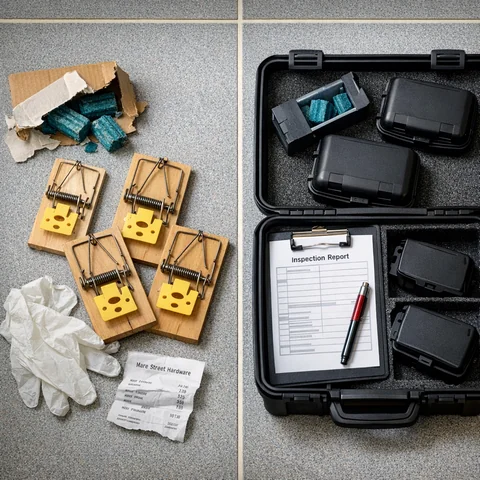
DIY appears cheaper at first purchase, but cumulative costs mount. A typical homeowner trying to solve a moderate infestation independently might spend £40-£80 on traps and bait, then another £30-£50 when the first attempt fails, then £100+ on drain rods or camera hire when they suspect a broken pipe, plus their own time at whatever value you place on it. If the problem persists and they eventually call a professional, they have paid twice.
More importantly, DIY offers no guarantee. A professional treatment with proofing and follow-up carries a clear outcome: either the infestation is controlled or additional work is provided. That risk transfer has value, particularly for landlords whose tenants are withholding rent or threatening council complaints.
Who Actually Handles Rat Control in Hackney
Pest2Kill
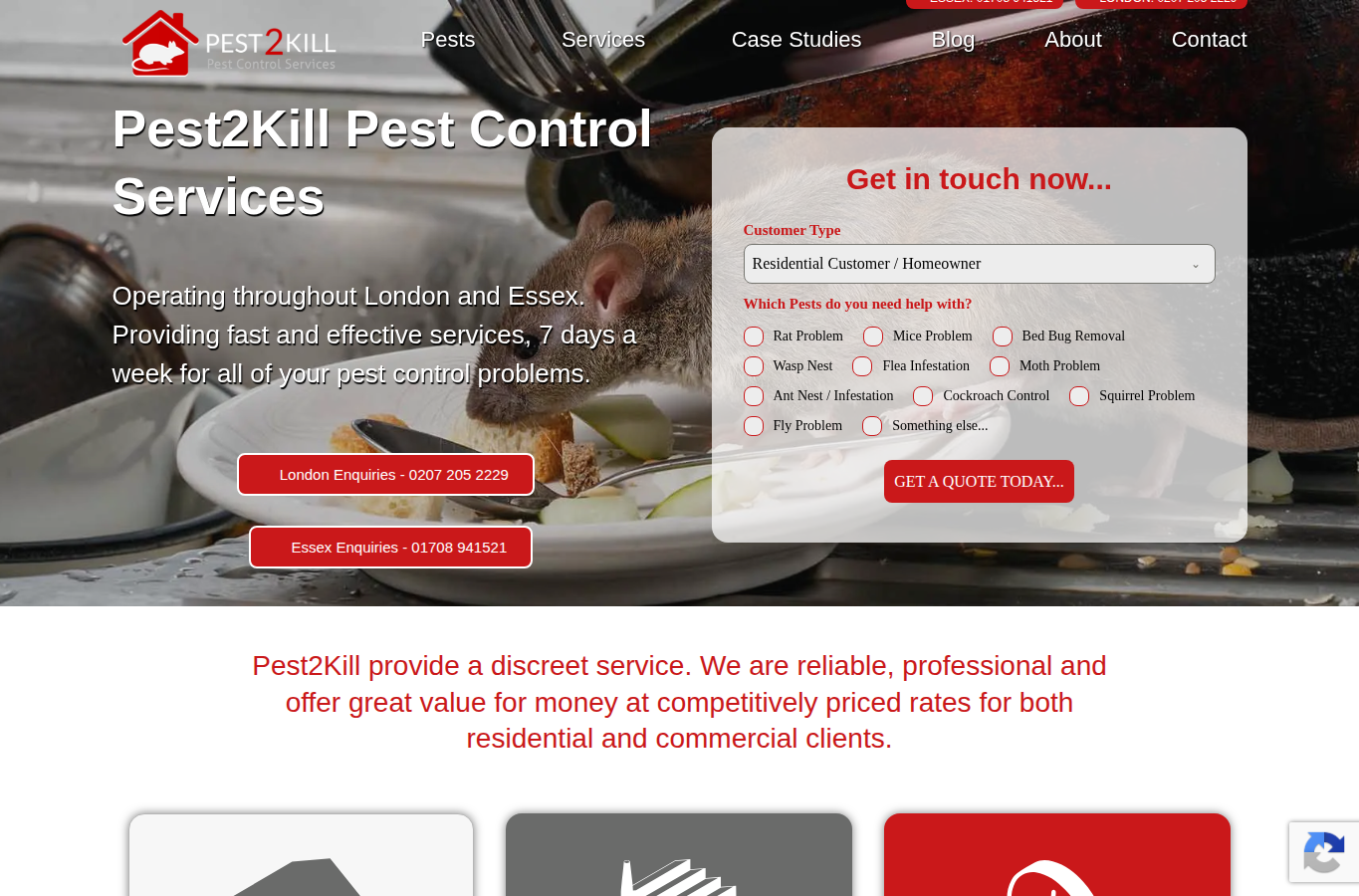
Pest2Kill operates a dedicated rat control service in Hackney with a listed phone number beginning 0207. Their online presence emphasises rapid response and local coverage, positioning themselves as specialists in London rodent problems. For Hackney residents comparing options, they represent a mid-sized operator with explicit borough targeting.
Able Group

Able Group provides broader pest control services across Hackney, with fully qualified technicians certified in multiple treatment methods including fumigation. Their service coverage extends beyond rodents to fleas, birds, and other pests, suggesting a generalist rather than rodent-specialist model. Their Hackney page indicates substantial word count and comprehensive service description, which may appeal to customers wanting a single provider for multiple pest issues.
Hackney Council
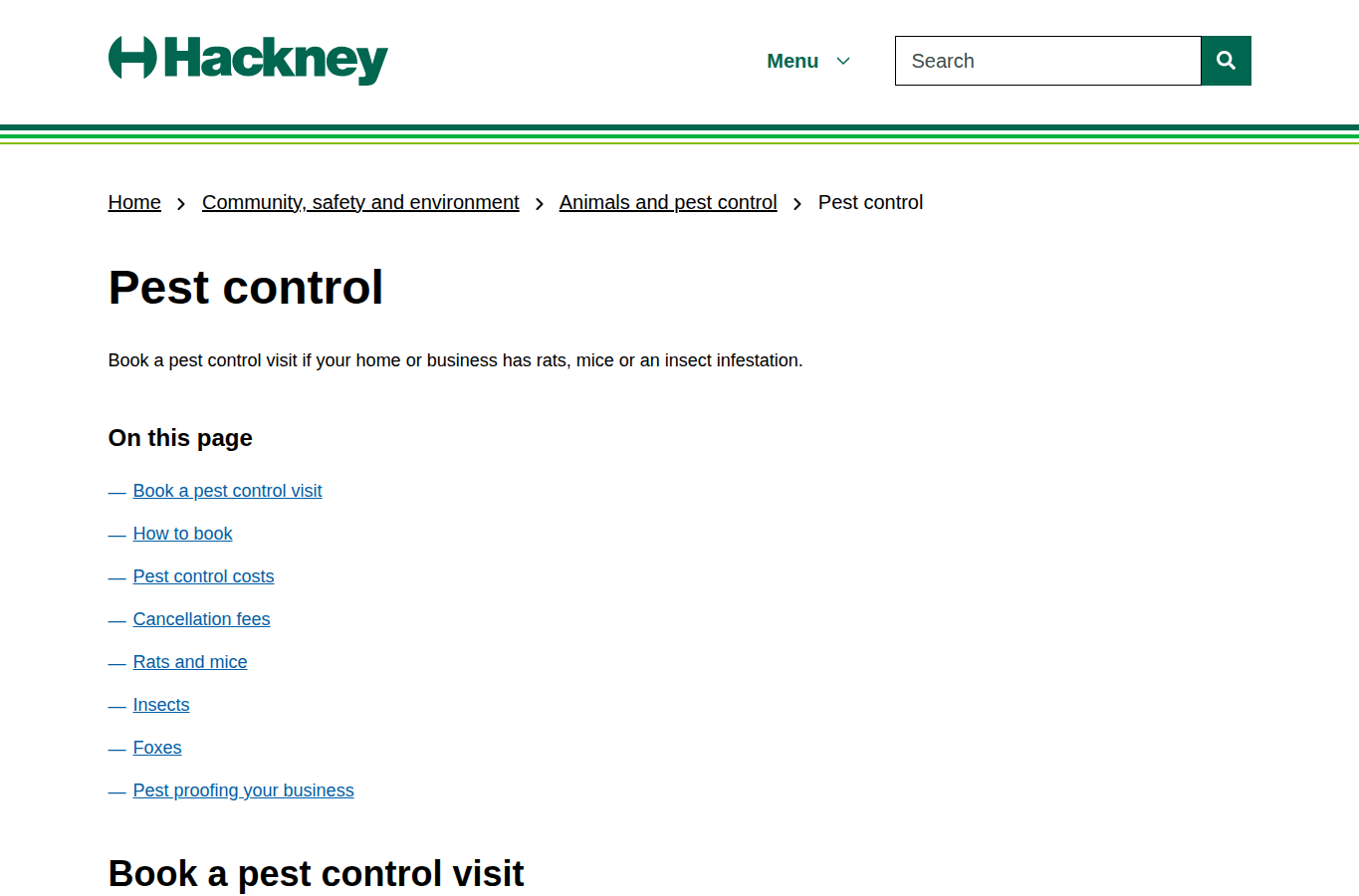
The Hackney Council pest control service charges for rat treatments and typically operates within a 48-hour booking window. Council services are often lower-cost but can have longer waits and less flexibility for emergency or out-of-hours response. For tenants in social housing, this may be the default or required route.
Making the Decision: Evidence, Property Type, and Risk Tolerance
Choose DIY when: you have confirmed a single rat, you can identify and seal all entry points, you have no children or pets at risk, you can check traps daily and dispose of bodies safely, and you are prepared to call a professional if the problem persists beyond one week.
Call a professional when: you see multiple rats or signs of nesting, you hear activity in walls or ceilings, you live in a shared building with cavity walls, you have children, pets, or vulnerable residents, you are a landlord needing compliance documentation, or your property is near canals, construction sites, or other high-risk environments.
For Hackney Central rat control, the density of converted flats and shared buildings makes professional survey almost essential. For Hackney Wick rat control, canal-side harbourage and ongoing development displacement mean infestations often have external sources that DIY cannot address.
The false choice is thinking you must pick one approach and stick with it. The practical route for many Hackney residents is a staged response: attempt limited DIY for clear, contained problems, but have a professional contact ready for escalation. The cost of delaying that escalation is almost always higher than acting early.
If you are unsure which category your situation falls into, pest control in Hackney starts with a conversation. Describe what you have seen, where, and for how long. A technician can usually advise over the phone whether a survey is warranted, and same-day appointments mean you are not left guessing while the colony expands.
Need professional help? BuzzKill offers fast, reliable pest control services across London and Essex.